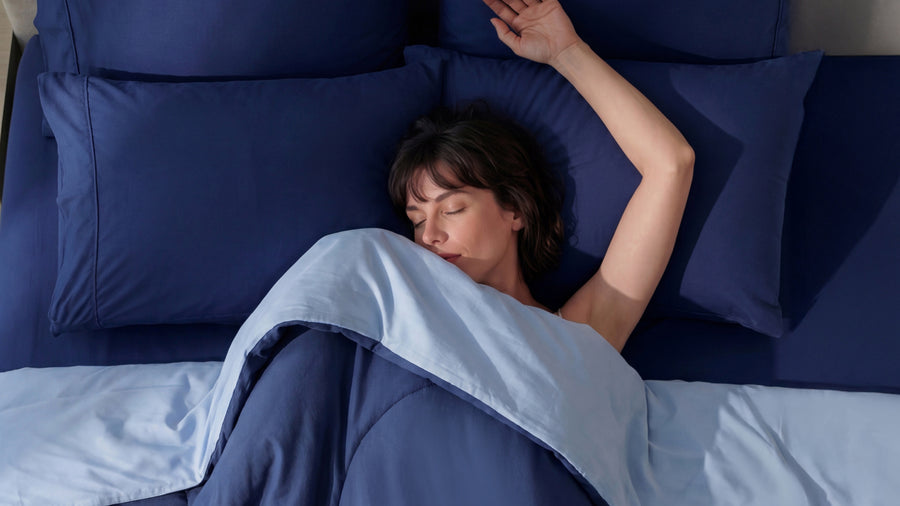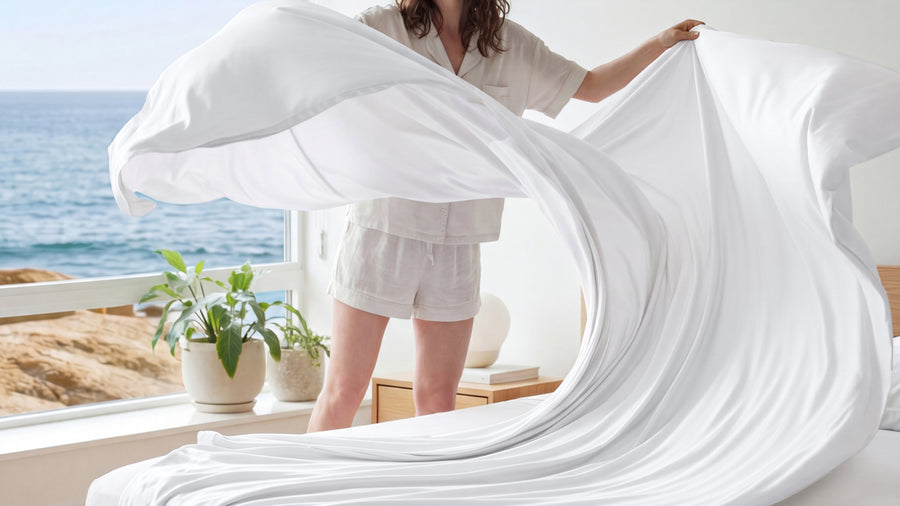

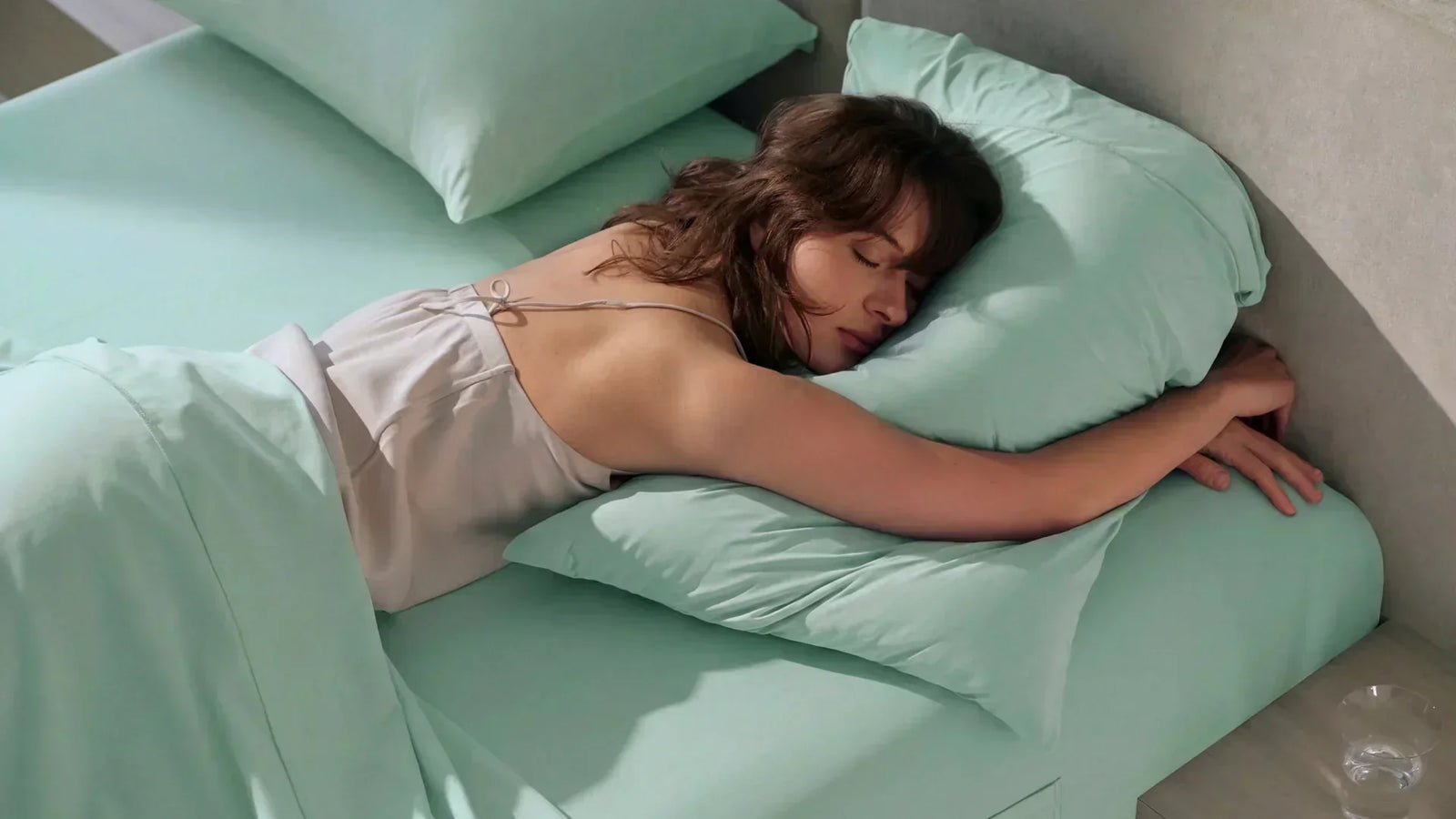

Spring brings longer days and warmer air— but for hot sleepers, it also brings a familiar problem: overheating at night. As indoor temperatures climb, waking up sweaty and restless becomes a nightly battle.
For people who naturally sleep hot, the problem usually is not just one blanket or one set of sheets. It is the entire sleep setup. A cooler spring bed can dramatically improve sleep quality during seasonal transitions, helping your body regulate temperature throughout the night instead of fighting against it.
In this guide, we cover exactly what cooling bedding do, what to look for, and how to build a complete cooling bedding setup that actually works.
Quick Summary: What You Need to Know
- Hot sleepers lose sleep primarily because standard bedding traps heat and moisture overnight.
- A better spring sleep setup depends on breathable, moisture-managing bedding rather than heavy or heat-trapping layers.
-
Cooling sheets are an important foundation. The best sheets for hot sleepers combine high breathability, lightweight construction, and fast moisture release.
- For best results, pair cooling sheets with other breathable cooling bedding elements—comforter, mattress topper, and sleepwear.
Why Hot Sleepers Struggle More in Spring
Spring weather is deceptive. Evenings might start cool, but indoor temperatures often rise significantly by midnight—especially in homes without central air conditioning. For people who naturally run warm, this creates a sleep environment that gets progressively more uncomfortable as the night continues.
According to sleep researchers at the National Sleep Foundation, thermoregulation—the body's ability to control its own temperature—is one of the single most important factors for sleep quality. When body temperature cannot drop naturally, the brain struggles to enter and maintain deep sleep stages.
Common symptoms hot sleepers experience in spring include:
- Waking up overheated or drenched in sweat
- Frequent tossing and turning throughout the night
- Difficulty falling back asleep after waking
- Feeling unrested despite a full night in bed

What Cooling Bedding Does—And Why It Matters for Hot Sleepers
How Cooling Bedding Work
The key mechanisms behind effective cooling bedding are:
- High air permeability: Open-knit or loosely woven structures allow heat to escape rather than accumulate.
- Moisture wicking: Fabrics that pull perspiration away from the skin and release it quickly reduce the clammy, uncomfortable feeling of night sweats.
- Thermal conductivity: Some advanced fiber blends are engineered to feel cool to the touch and actively transfer body heat away from the skin.
Do CoolingBedding Really Work?
Yes. Cooling bedding works best when sheets, comforters, pillowcases, and other breathable bedding layers work together, along with proper bedroom ventilation and a cooler sleep environment.
How to Choose Cooling Bedding for Hot Sleepers
Not all cooling bedding perform equally. When evaluating options, focus on these four factors:
1. Breathability
The most important feature for hot sleepers. Look for bedding layers made with open-structured knits or loosely woven fabrics that allow air to circulate freely. Fabrics labeled as 'high air permeability' or tested for airflow will perform better than standard cotton weaves.
2. Moisture Management
Effective spring cooling bedding for night sweats should absorb moisture quickly and release it away from the skin—not just feel dry to the touch on the shelf. Look for technical descriptions that mention moisture transport or wicking, not simply 'soft' or 'smooth.'
3. Weight and Construction
Heavier fabrics retain heat. For hot sleepers, lightweight bedding layers—particularly those using fine-gauge knit construction—typically outperform heavy percale or flannel options in warm conditions.
4. Fabric Technology
Some cooling bedding products use engineered fiber blends rather than plain natural or synthetic materials. These blends can offer a balance of breathability, durability, and comfort that single-fiber fabrics may not achieve independently.
Building a Complete Cooling Bedding Setup
For hot sleepers, sheets are the foundation—but the full sleep environment matters. A complete cooling bedding setup typically includes:
- Cooling sheet set: The primary layer against your skin. Prioritize breathability and moisture management.
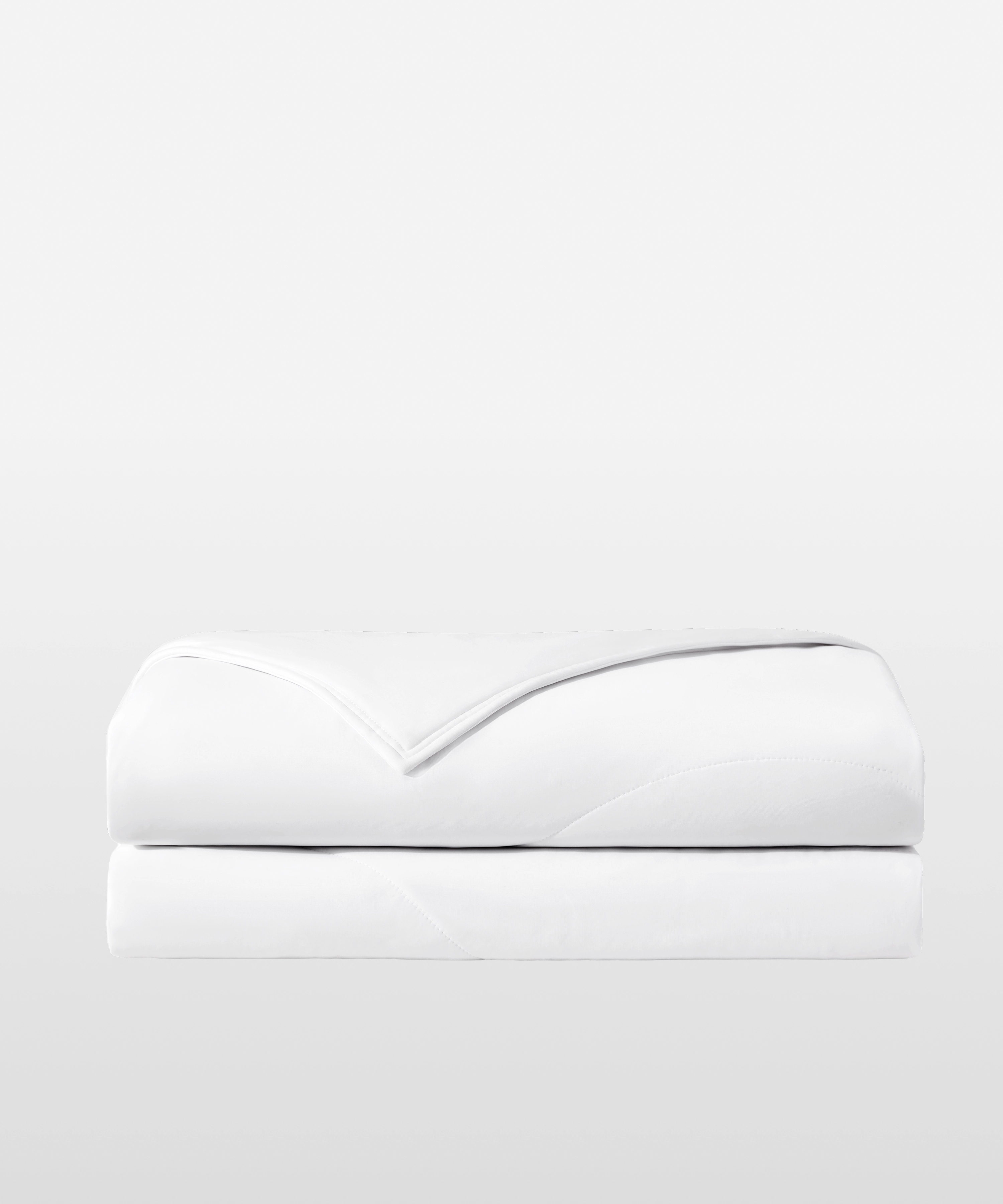
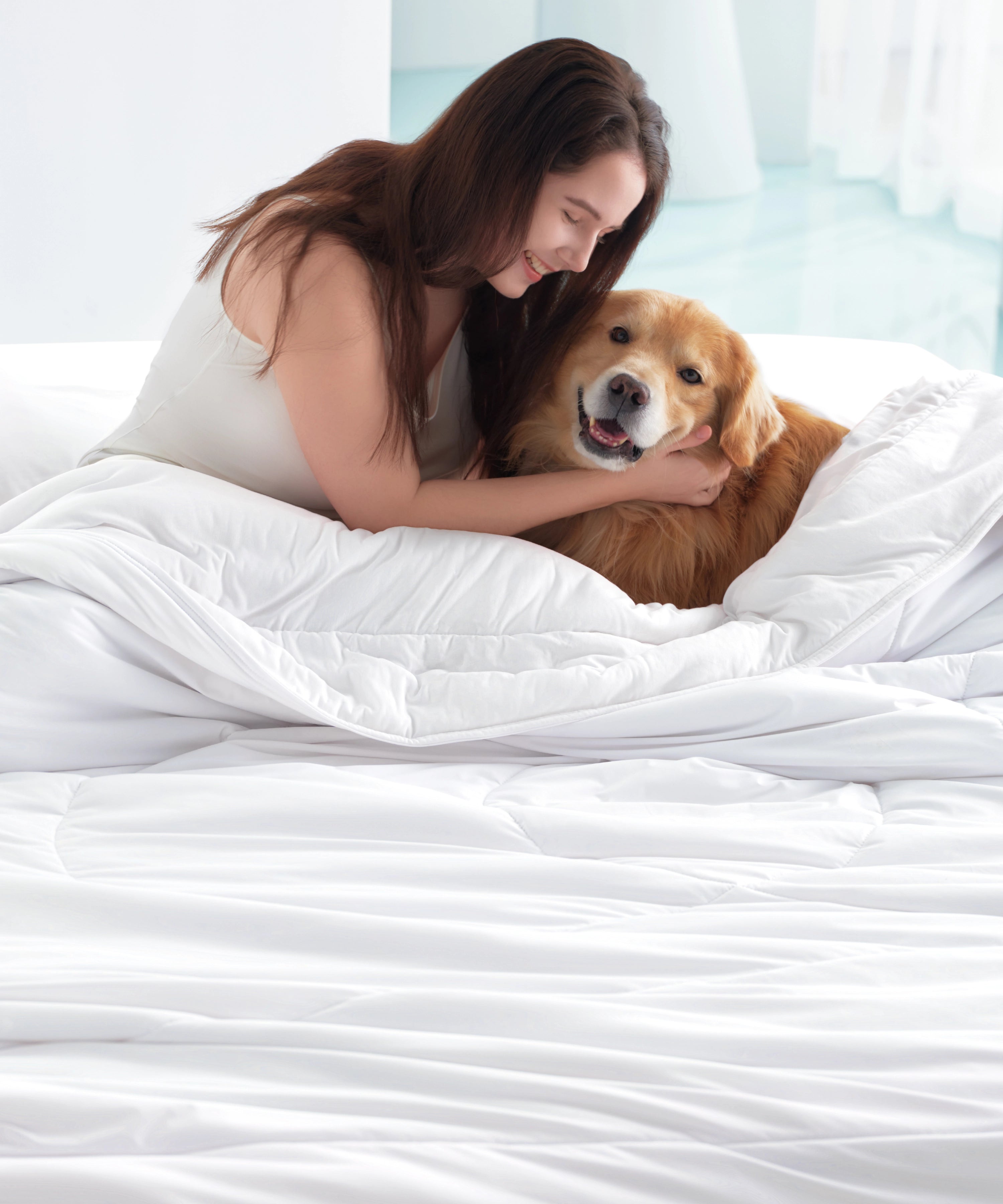
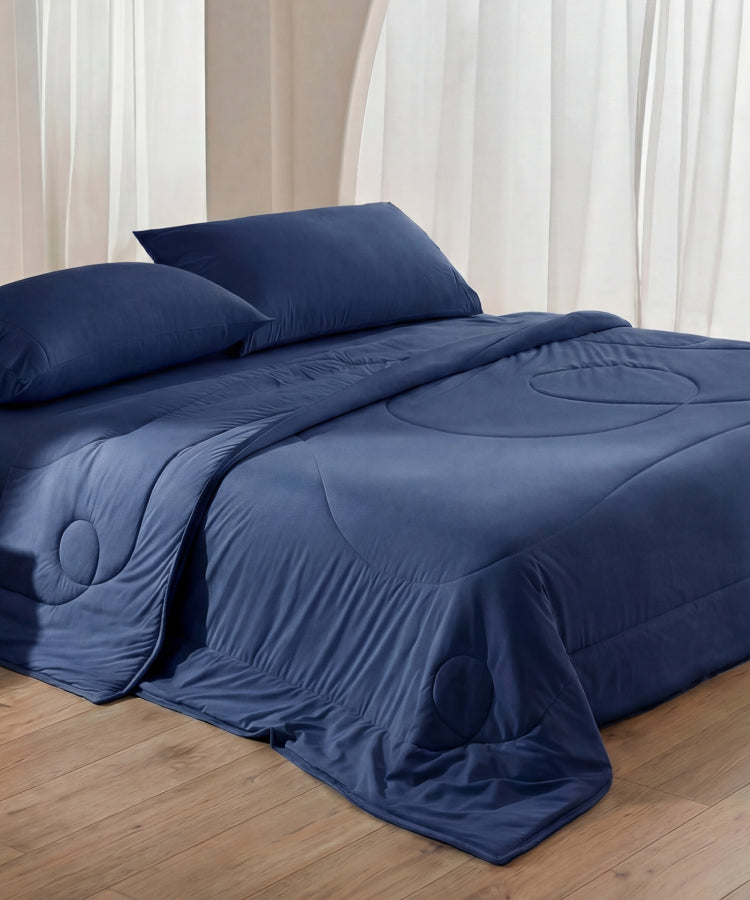
- Lightweight comforter: Heavy duvets trap heat even with cooling sheets underneath. A breathable, low-fill-power comforter designed for warm sleepers maintains comfort without heat buildup. (See our guide to the best comforter for hot sleepers for detailed recommendations.)
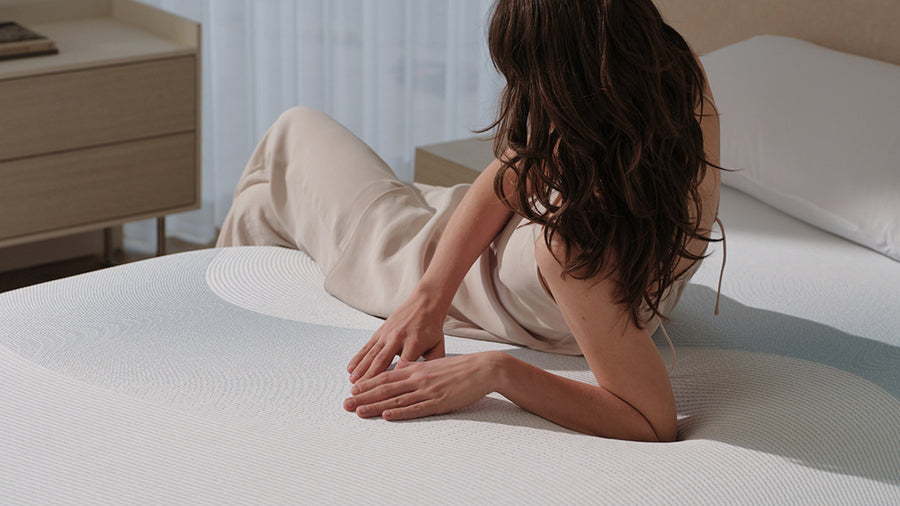
- Breathable mattress topper: Memory foam toppers are notorious for retaining heat. Latex or open-cell foam alternatives improve airflow from below.
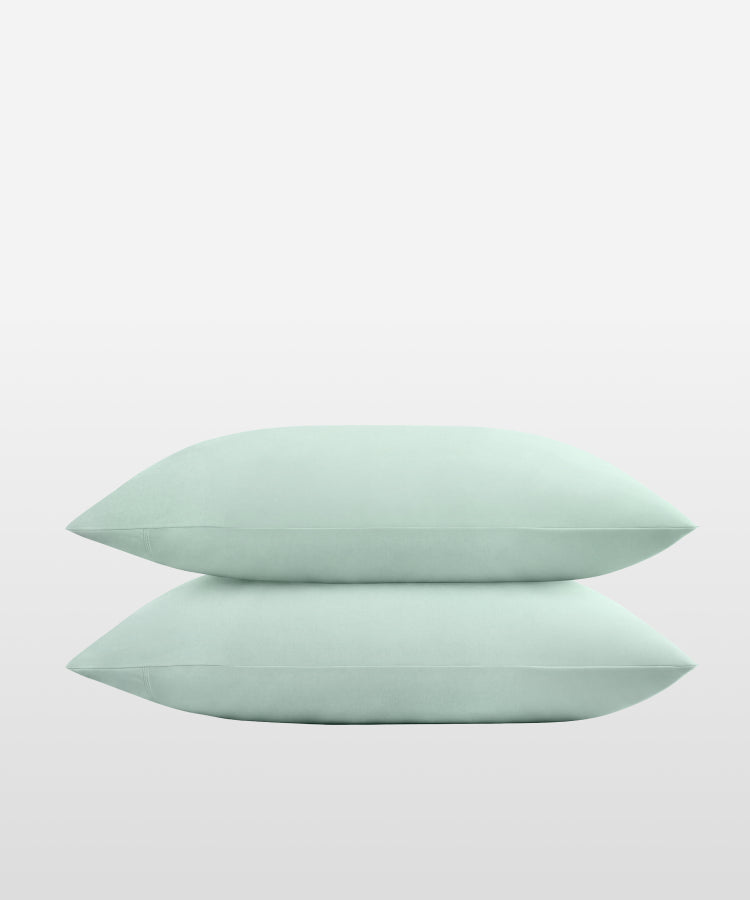
- Moisture-wicking pillowcases: Often overlooked, pillowcases with similar breathability to your sheets help regulate temperature around the head and neck.
When these elements work together, they prevent heat from building up at any single point in the sleep environment, creating more consistent overnight comfort.

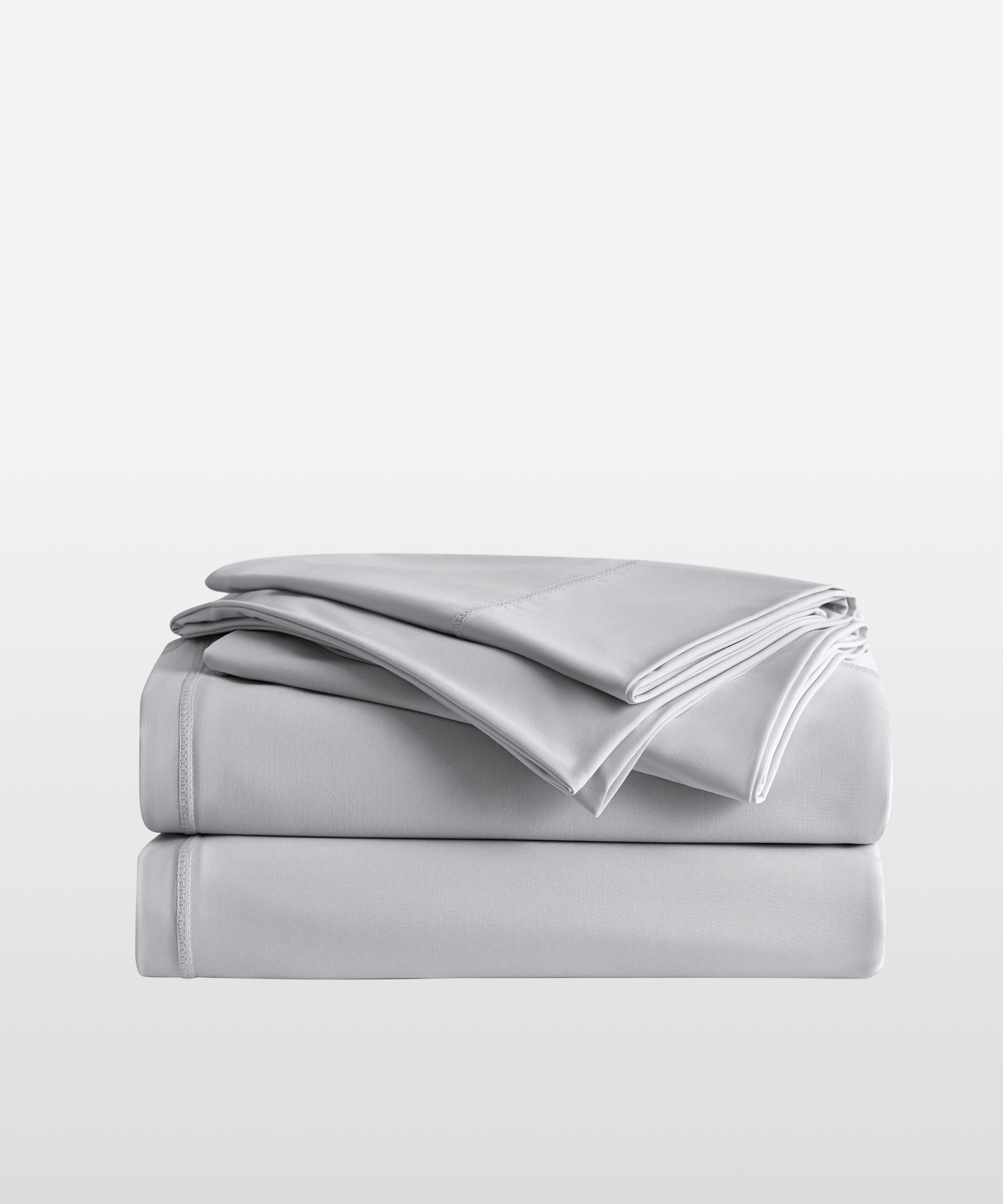
Cooling Sheets That Fit a Cooling Bedding Setup: Breescape
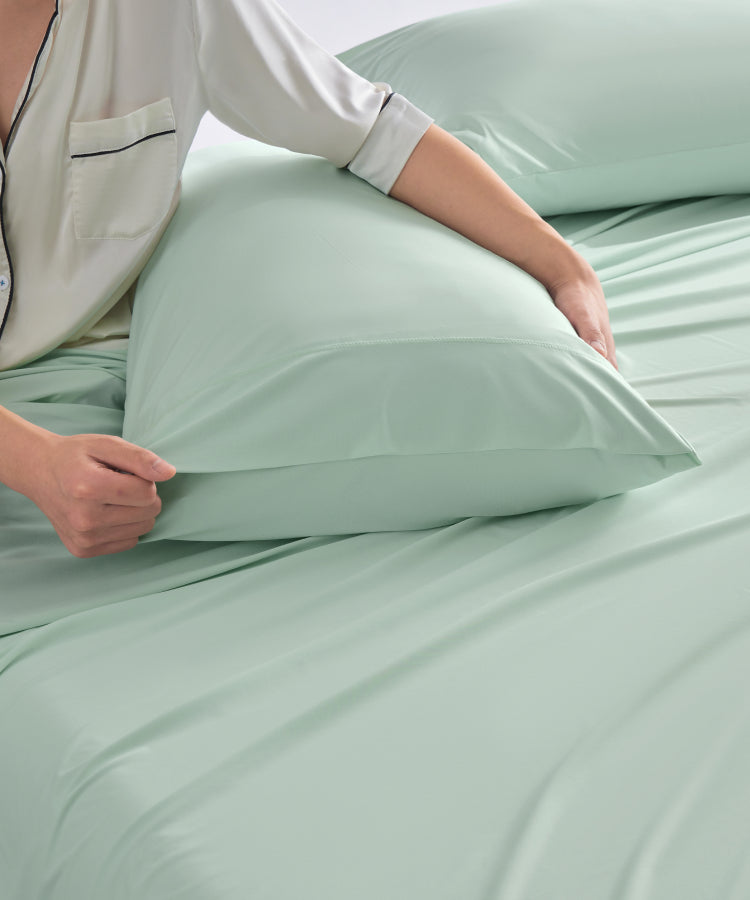
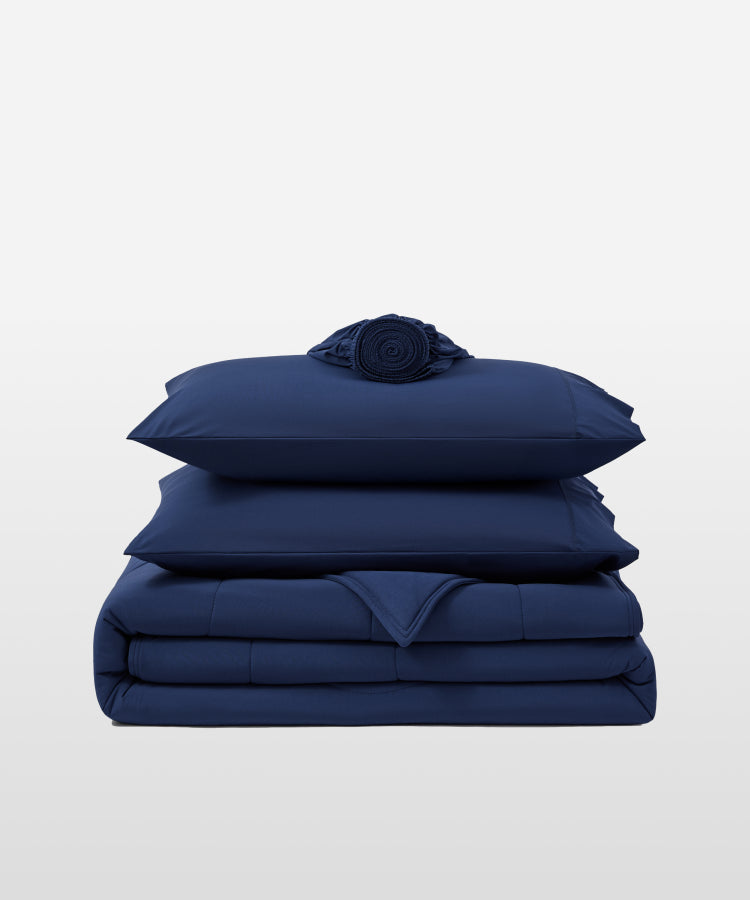
The Breescape Cooling Sheet Set is purpose-built for people who experience nighttime heat and temperature-related sleep disruption.
Powered by BlendTek™ technology, its high-permeability knit structure is specifically engineered to enhance airflow while managing overnight moisture—addressing the two primary causes of heat-related sleep disruption.
Key performance specifications:
- Up to 4.5× more breathable than traditional cotton (tested against standard 200-thread-count cotton percale).
- High-permeability knit structure designed to allow excess heat to escape rather than accumulate.
- Lightweight construction that maintains a smooth, non-clingy feel throughout the night.
- Moisture transport system that moves perspiration away from skin and releases it quickly.
The result is a cooler, more stable sleep surface that supports uninterrupted sleep for hot sleepers across seasonal transitions.
Additional Tips: How to Sleep Cooler at Night
A cooling bedding setup does most of the work, but a few complementary adjustments can further improve your sleep environment:
- Set your thermostat between 65–68°F (18–20°C): Research consistently identifies this range as optimal for human sleep.
- Use a fan for airflow: Even a small bedside fan increases air circulation enough to noticeably assist the breathability of cooling sheets.
- Wear lightweight, moisture-wicking sleepwear: Natural fibers like linen or technical fabrics designed for active use both work well.
- Avoid heavy meals and alcohol before bed: Both raise core body temperature, making thermoregulation harder overnight.
- Keep blinds closed during the day: Preventing daytime heat buildup in the bedroom significantly reduces overnight temperatures.
Frequently Asked Questions
Do cooling sheets really work for hot sleepers?
Yes. Cooling sheets improve sleep comfort for hot sleepers by increasing airflow around the body and managing moisture from night sweats. They work best as part of a broader cooling bedding setup rather than as a standalone fix.
What is the best spring bedding for hot sleepers?
The best spring bedding for hot sleepers prioritize three features: high breathability, lightweight construction, and effective moisture management. Fabrics using open-knit structures or engineered fiber blends—such as those using BlendTek™ technology—typically outperform standard cotton percale in warm conditions.
Are cooling sheets good for night sweats?
Yes. Cooling sheets are particularly effective for night sweats because they manage both heat buildup and moisture simultaneously. The combination of high air permeability and moisture-wicking properties reduces the clammy discomfort that disrupts sleep.
What is the best cooling bedding for hot sleepers?
Hot sleepers get the most benefit from a coordinated approach: cooling sheets as the base layer, a lightweight breathable comforter, and a non-foam mattress topper. Each element addresses a different source of heat retention in the sleep environment.
What temperature should my bedroom be for the best sleep?
Sleep researchers generally recommend a bedroom temperature of 65–68°F (18–20°C) for optimal sleep. Cooling sheets help support this range by assisting the body's natural thermoregulation process throughout the night.