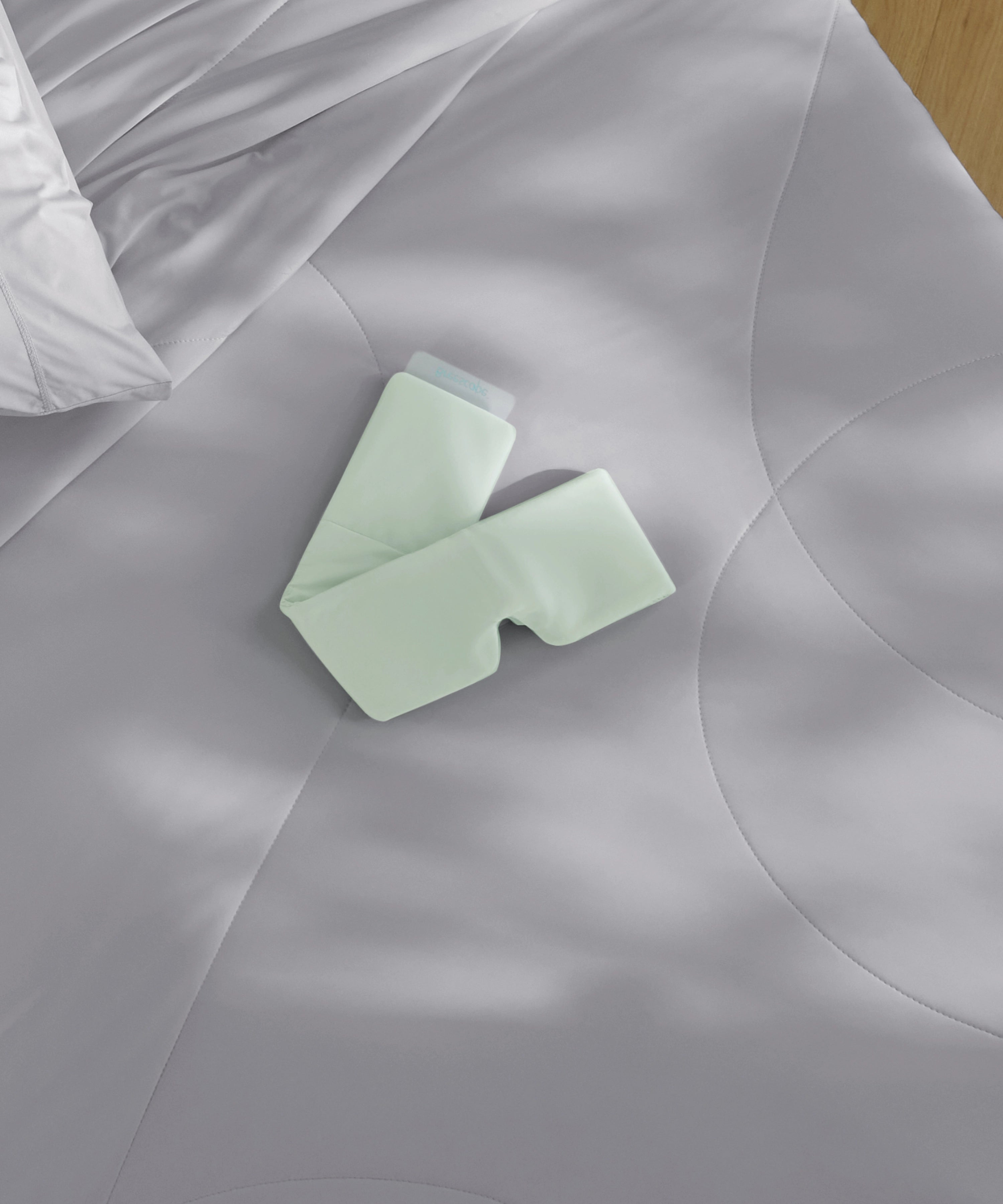



Hot sleepers face a common dilemma: tossing and turning through sweaty nights, flipping pillows to find the cool side. Cooling pillows promise relief, but safety concerns often hold buyers back. From mysterious chemical smells to allergy worries, questions about cooling pillows for sleeping deserve honest answers. Before investing in good sleep gear, you need facts about materials, health risks, and what certifications actually protect you.
Do Cooling Pillows Work for Better Sleeping?
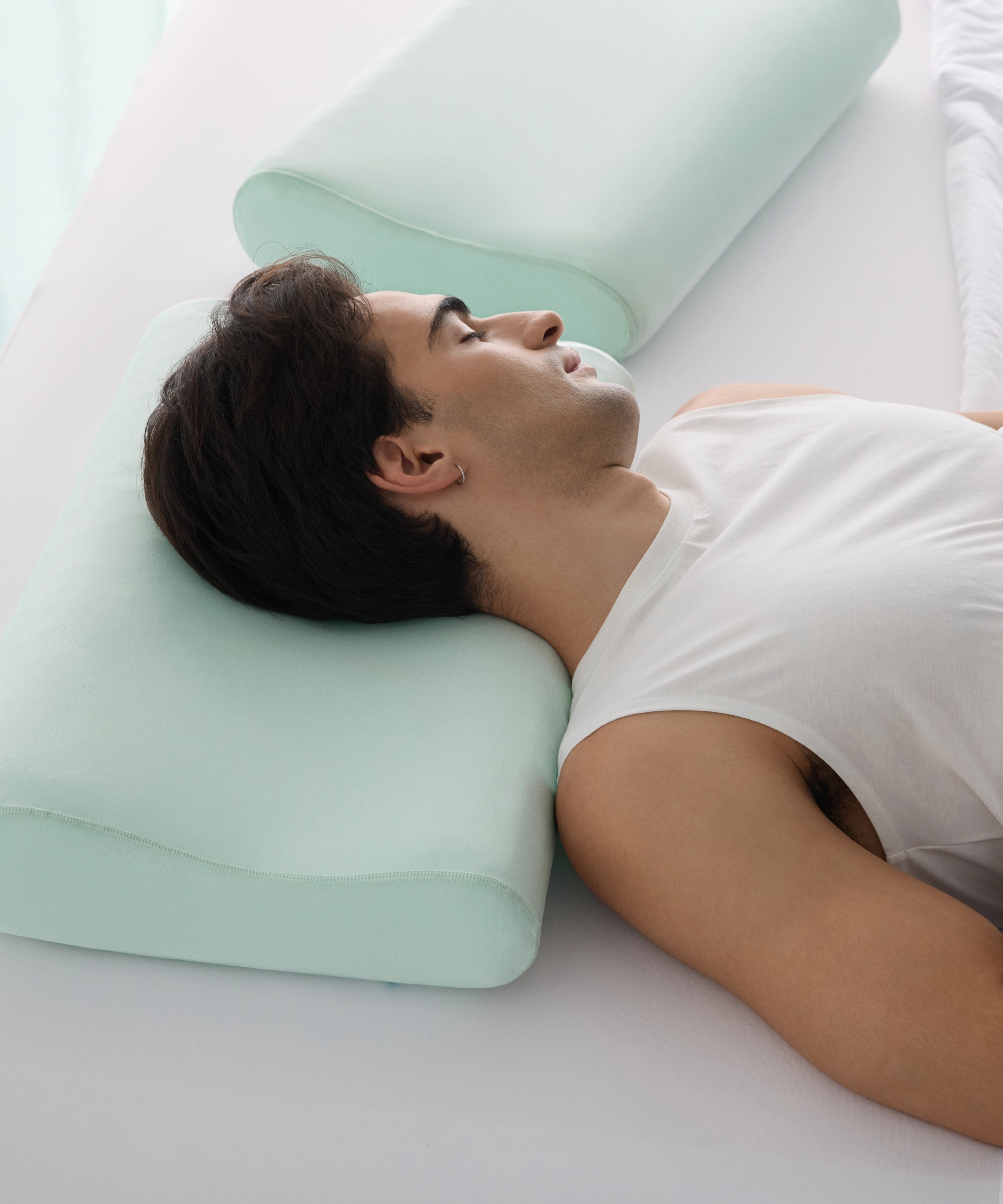
Cooling pillows for sleeping do help keep you cool, but the effects depend on the type of pillow you use. The materials in these pillows don't trap heat like foam or down does; instead, they absorb and release it. The science is straightforward: your head releases significant heat during sleep. Standard pillows retain this warmth, creating uncomfortable hot spots. Cooling technology interrupts this cycle through three main mechanisms:
-
Heat-absorbing gels that pull warmth away from your skin
-
Breathable covers with moisture-wicking fabrics
-
Ventilated cores that promote airflow
Most users notice the biggest difference during the first few hours of sleep. People who naturally sleep hot, have night sweats, or live in warm places will feel the cooling effect the most. But these pillows won't help with sleep problems like sleep apnea or sleeplessness. How well it works for you also depends on how you sleep. Most of the time, people who sleep on their sides do better because more of their body touches the cold material. If you sleep on your back, the effect may not be as strong, but you can still feel it.
When properly selected, cooling pillows provide consistent temperature regulation that helps you fall asleep faster and stay asleep longer throughout the night.
Common Cooling Pillow Materials and Safety
Different synthetic and natural materials are used by manufacturers to control heat all night long. The table below shows the main materials that are usually used in cooling pillows and what you need to know about how safe they are.
| Material Type | Cooling Method | Safety Considerations |
| Gel-Infused Foam | Gel beads disperse heat while foam provides support | CertiPUR-US certified versions contain no formaldehyde or heavy metals; minimal initial scent fades quickly |
| Phase Change Fabric | Actively absorbs and releases heat to maintain consistent temperature | Engineered for direct skin contact; hypoallergenic properties |
| Natural Latex | Pinhole ventilation allows natural airflow through material | Naturally antimicrobial; suitable for most users except those with latex allergies |
| Copper-Infused Foam | Copper particles enhance heat dissipation | Antimicrobial benefits; safe for long-term use |
Selecting the right core material is the first step toward a healthier night without chemical exposure. Each option offers a different balance of temperature control and physical support.
Quality Considerations for a Healthy Sleep Environment
While high-quality options are perfectly healthy, some budget-grade products on the market may present minor issues. Being aware of these factors helps you distinguish between a professional-grade sleep solution and a low-quality imitation.
-
Temporary Off-gassing Scent: New foam products sometimes release a mild odor known as Volatile Organic Compounds (VOCs). Choosing a cooling pillow with proper safety ventilation ensures these gases dissipate quickly and do not linger in your bedroom.
-
Surface Irritation: Some cheap cooling fabrics use harsh chemical sprays rather than woven cooling fibers, which might irritate sensitive skin. Opting for hypoallergenic materials in your cooling pillows for sleeping prevents this discomfort.
-
Material Breathability: If a cooling product lacks a porous structure, it can trap moisture from sweat, leading to a less hygienic surface over time. High-end models solve this by using open-cell foam and washable covers.
Safety Standards of a Quality Pillow
Certifications distinguish reputable cooling pillows from dubious ones. These standards verify that producers test for risky substances and adhere to safety requirements.
OEKO-TEX Standard 100
This certification tests textiles for over 100 harmful substances, including carcinogenic dyes, pesticides, and heavy metals. Products bearing this label underwent rigorous independent laboratory testing. OEKO-TEX covers fabrics that directly contact skin, making it particularly relevant for pillow covers and cases.
The certification uses four product classes based on skin contact intensity. Class I applies to baby products with the strictest limits, while Class IV covers furnishing materials with more lenient standards.
SGS Pillow Testing
SGS (Société Générale de Surveillance) provides third-party testing for durability, safety, and performance. An SGS pillow certification confirms testing for physical hazards, material composition, and compliance with consumer safety regulations. SGS laboratories check for restricted substances and verify that products meet regional safety requirements.
While not as specific as OEKO-TEX for chemicals, SGS testing offers broader quality assurance across manufacturing processes. Many reputable brands pursue both certifications.
Why Certifications Matter
Here's how these standards protect consumers:
| Certification | Primary Focus | What It Guarantees |
| OEKO-TEX | Textile safety | No harmful chemicals in fabrics |
| SGS | Overall quality | Meets safety and performance standards |
Products without recognized safety labels haven't necessarily failed testing. When shopping, look for certification labels on product tags or manufacturer websites. Reputable manufacturers prioritize these tests to ensure that the cooling technology remains safe for long-term skin contact.
How to Choose the Best-Rated Cooling Pillow Safely
Finding the best-rated cooling pillow requires looking past the "ice-cold" marketing and focusing on construction. A safe choice is one that balances effective heat management with high-quality, certified ingredients.
-
Verify Independent Certifications: Always look for the OEKO-TEX or SGS seal on the product tag to ensure the materials are free from harmful heavy metals and toxins.
-
Inspect the Cooling Method: Choose pillows where the cooling property is built into the fiber or foam structure rather than applied as a temporary chemical spray.
-
Check for Airflow Features: Prioritize designs with ventilated holes or mesh side panels that allow heat to escape actively.
-
Prioritize Washable Covers: Ensure the outer layer is removable and machine-washable to maintain hygiene and prevent the buildup of allergens or bacteria.
-
Evaluate the Foam Quality: High-density foam typically offers better durability and less off-gassing compared to cheaper, low-density alternatives.
-
Assess the Initial Scent: High-quality cooling pillows from reputable brands have minimal to no scent upon unboxing. If any light smell is present, it should disappear within 24 hours in a well-ventilated room.
By following these selection criteria, you can find a product that keeps you cool without compromising your indoor air quality or skin health. Investing in a properly vetted item ensures your comfort lasts for years.
Make Your Sleep Both Cool and Safe
Safety shouldn't be an afterthought when buying cooling pillows for sleeping. Quality products combine effective temperature regulation with verified safety standards. Certifications like OEKO-TEX and SGS pillow testing separate reliable options from risky alternatives. Check materials, verify credentials, and choose brands that are transparent about their manufacturing processes. Making smart choices is important for both your health and the quality of your sleep.
4 FAQs about Cooling Pillow Use and Care
Q1. Do Cooling Pillows Make Your Neck Hurt?
A cooling pillow that is well-made shouldn't hurt. If your pillow is too high or too low for how you sleep, it will likely hurt. To avoid this, search for pillows that can be adjusted or made of high-density memory foam that keeps you cool and keeps your spine in the right position.
Q2: How Long Does the Cooling Effect Last Each Night?
High-quality cooling pillows using Phase Change Material (PCM) are designed to regulate temperature throughout the entire night. While the initial 'ice-cold' sensation may soften as it absorbs heat, the breathable structure allows the pillow to shed warmth and reset its cooling properties as you move, ensuring a balanced sleep climate until morning.
Q3: Are Cooling Pillows Safe for Kids?
Yes, but don't use them for babies younger than two years old because some designs might cause asphyxia. For older kids, pick pillows made of materials that have been tested and found to be hypoallergenic and have minimal VOC emissions. Always watch little kids when they first use a particular pillow.
Q4: Do You Need to Clean Cooling Pillows in a Special Way?
No, but you need to make sure to follow the manufacturer's recommendations to keep the cooling properties. Most of them have covers that can be taken off and washed in the machine. Don't soak foam cores since moisture can get trapped and cause mold to grow. To keep things fresh and safe, spot-clean the inside materials and air them out often.