
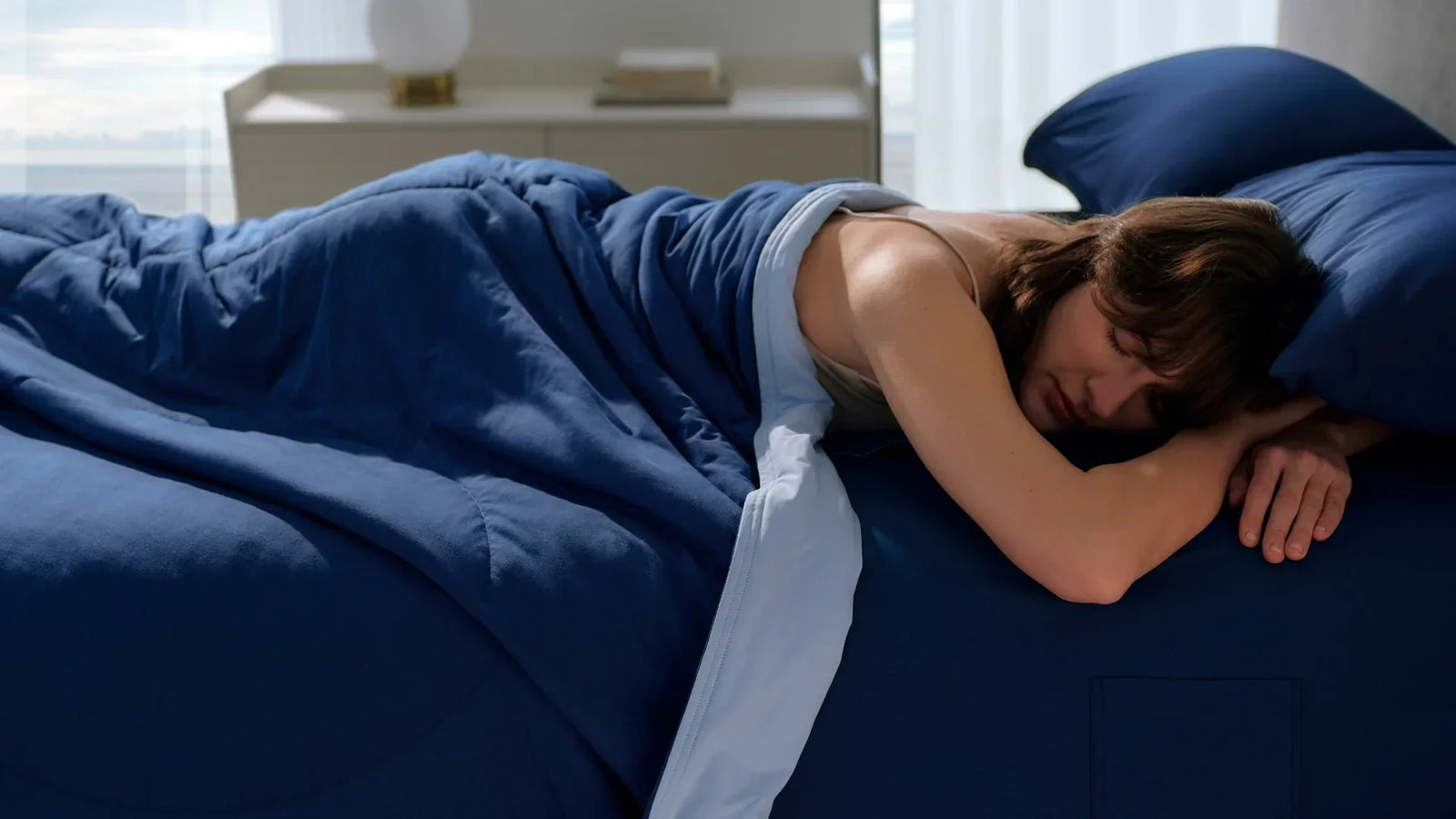
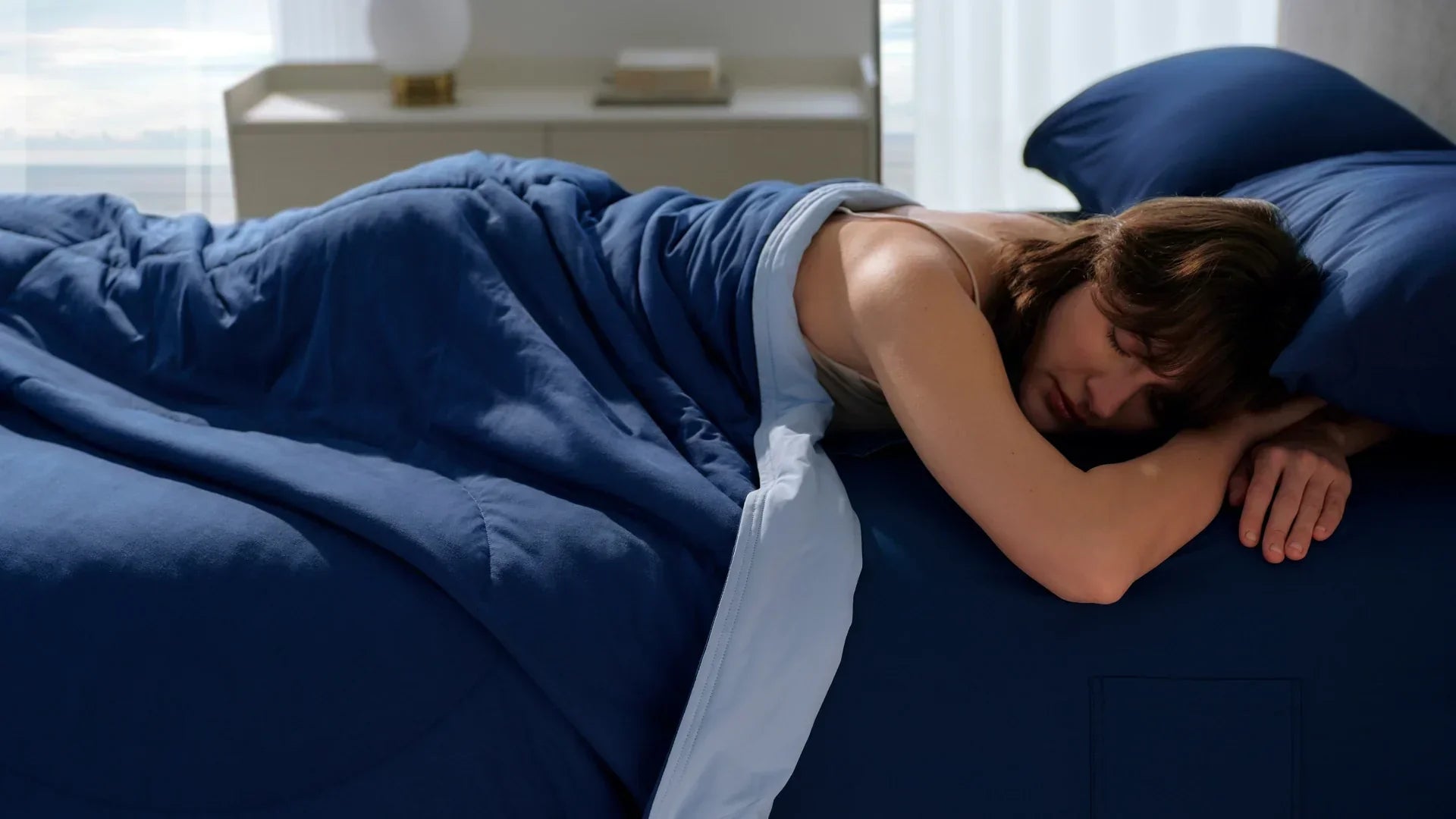
Waking up drenched in sweat—even when the room isn't hot—is one of the most disruptive and least understood sleep problems. Night sweats affect a significant portion of adults, yet most people tolerate them for months or years before identifying the contributing factors, let alone addressing them.
Bedding is rarely the first thing people examine. But for many night sweat sufferers, it's one of the most impactful variables in the equation. Standard sheets and comforters can trap heat and moisture in ways that actively amplify the body's sweating response—creating a feedback loop that gets worse as the night progresses.
This guide covers the mechanics of night sweats, why conventional bedding can make them worse, and exactly what to look for in cooling sheets designed specifically for night-sweat management.
Quick Summary
- Night sweats occur when the body produces more heat than it can release, triggering sweat as a cooling mechanism—often amplified by heat-trapping bedding.
- Standard cotton and synthetic sheets retain moisture, keeping sweat in contact with skin and prolonging discomfort.
- Cooling sheets for night sweats work by increasing airflow, wicking moisture away from the skin, and preventing heat buildup at the sleep surface.
- The most effective bedding approach combines cooling sheets, a breathable, lightweight comforter, and moisture-wicking pillowcases.
- Medical causes of night sweats—including hormonal changes, medications, and infections—require evaluation by a healthcare provider regardless of bedding choice.
What Actually Causes Night Sweats?
Night sweats—defined as episodes of heavy sweating during sleep that soak through clothing or bedding—have both medical and environmental causes. Understanding the difference matters because the approach differs significantly.
Medical Causes That Require Evaluation
Several medical conditions are known to cause night sweats as a primary symptom. If sweating is severe, frequent, or accompanied by other symptoms, these should be ruled out by a healthcare provider:
- Hormonal changes: Perimenopause and menopause are among the most common causes of night sweats in women, driven by fluctuating estrogen levels that disrupt the body's thermoregulatory system.
- Medications: Antidepressants, hormone therapies, and certain blood pressure medications list night sweats as a known side effect.
- Infections: Tuberculosis, HIV, and other infections can cause night sweats as the immune system activates elevated body temperature responses.
- Hypoglycemia: Low blood sugar overnight triggers the release of adrenaline, which can cause sweating.
- Anxiety and stress: Elevated cortisol levels before and during sleep are associated with increased sweating.
Environmental and Behavioral Causes
For many people, night sweats have no underlying medical cause—they are driven primarily by environmental factors that are directly addressable through bedding and sleep environment changes:
- Bedroom temperature too high: The body's core temperature naturally drops during sleep. A warm room prevents this drop, triggering compensatory sweating.
- Heat-trapping bedding: Conventional cotton percale and synthetic fabrics create a warm, humid microclimate that traps body heat and reflects it back onto the skin.
- Alcohol consumption: Alcohol raises core body temperature and disrupts sleep architecture, both of which increase nighttime sweating.
- Heavy meals before bed: Digestion generates heat. Eating within two to three hours of sleep can elevate body temperature into the sweating threshold.
- Synthetic sleepwear: Non-breathable fabrics trap heat against the body before it can reach the sleep surface.
Why Standard Bedding Makes Night Sweats Worse
Most conventional bedding is optimized for softness and warmth, which are exactly the wrong priorities for night sweat sufferers.
The Heat-Moisture Feedback Loop
Standard cotton percale and polyester blends have relatively low air permeability. As body heat accumulates beneath the sheets, it cannot escape efficiently, so skin temperature rises. When skin temperature crosses the body's sweating threshold, perspiration begins. That sweat then saturates the fabric, reducing its already-limited breathability further—trapping more heat and creating more sweat. This feedback loop typically intensifies through the night rather than self-correcting.
Thread Count Is Misleading for Hot Sleepers
High thread count—often marketed as a quality indicator—actually correlates with reduced breathability in most weave constructions. Tighter weaves leave less space for air movement. A 600-thread-count percale sheet will trap significantly more heat than a 200-thread-count knit with an open-loop structure, despite the former being marketed as premium quality.
Moisture Retention Compounds Discomfort
Once sweat saturates conventional fabric, the moisture stays in contact with the skin rather than evaporating. This sustained dampness creates two compounding problems: it lowers skin surface temperature suddenly (causing chills after overheating), and it softens the skin barrier, making it more reactive to friction and irritation. For people with sensitive skin, this is why night sweats and skin irritation so frequently co-occur.
How Cooling Sheets for Night Sweats Actually Work
Effective cooling sheets for night sweats address the problem at three points in the heat-moisture feedback loop simultaneously.
1. Preventing Heat Accumulation at the Sleep Surface
The primary mechanism is air permeability. High-permeability fabrics—particularly open-knit constructions—allow warm air to escape laterally and upward rather than being reflected back to the skin. This keeps the sleep surface temperature lower, reducing the thermal trigger for sweating in the first place.
Research on textile breathability measures this as air permeability in mm/s. Standard cotton percale typically measures in the range of 100–200 mm/s. Open-knit performance fabrics can reach significantly higher values, which translates directly to cooler sleep surface temperatures.
2. Active Moisture Transport
Rather than simply absorbing sweat (which saturates fabric and leaves moisture against the skin), effective moisture-wicking sheets transport perspiration through the fabric structure away from the skin surface. The moisture then evaporates from the outer face of the fabric rather than pooling at the skin interface.
This distinction—absorption versus transport—is critical. A highly absorbent fabric may feel dry initially, but it becomes saturated and ineffective quickly. A moisture-transport fabric maintains consistent performance throughout the night.
3. Sustained Performance Through the Night
Many people experience the most intense night sweats in the early morning hours (3–5 am), when circadian-driven temperature fluctuations are largest. The best cooling sheets for night sweats maintain their breathability and moisture-transport properties even after hours of use—they don't become less effective as they absorb more moisture, unlike conventional cotton.
What to Look for in Cooling Sheets for Night Sweats
With many products claiming to be 'cooling,' it helps to know which specific features actually matter for managing night sweats.
Air Permeability Rating
Ask for specific breathability data rather than marketing language. Brands that measure and publish air permeability values (in mm/s or comparable units) are making a testable claim. Vague terms like 'breathable' or 'cool-touch' without supporting data are not reliable indicators of performance.
Moisture Transport vs. Moisture Absorption
Look for fabrics described as moisture-wicking or moisture-transporting rather than simply moisture-absorbing. The distinction matters significantly for sustained overnight performance. Fabrics that transport moisture to the outer surface allow it to evaporate, maintaining consistent skin-contact dryness throughout the night.
Lightweight Knit vs. Woven Construction
Knit constructions generally outperform woven constructions for breathability because the loop structure inherently creates open channels for air movement. Percale and sateen weaves—regardless of thread count—have fundamentally more limited airflow than open-knit alternatives.
Fabric Composition and Skin Compatibility
For people who experience both night sweats and skin sensitivity, fabric composition matters beyond breathability. Fabrics verified by OEKO-TEX Standard 100 or similar certifications confirm freedom from chemical residues that can irritate sweat-sensitized skin. See our guide to hypoallergenic bedding for sensitive skin for a more detailed breakdown of this dimension.
Full-Night Performance Data
Some manufacturers provide testing data for sustained moisture management over time rather than just initial performance. This is especially relevant for night-sweat sufferers, whose primary challenge is the intensity that builds over the night rather than during the first hour of sleep.
Building a Complete Bedding Setup for Night Sweats
Cooling sheets address the primary contact layer, but night sweats respond best to a coordinated approach to the sleep environment.
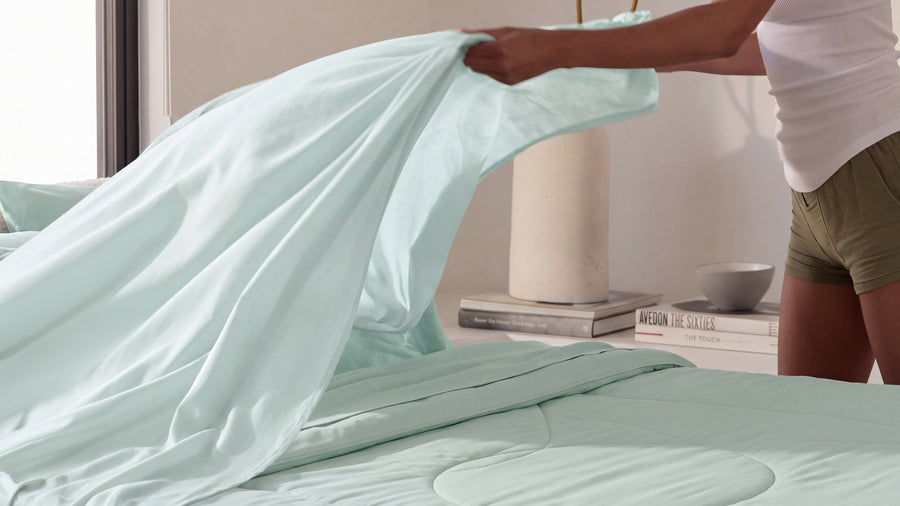
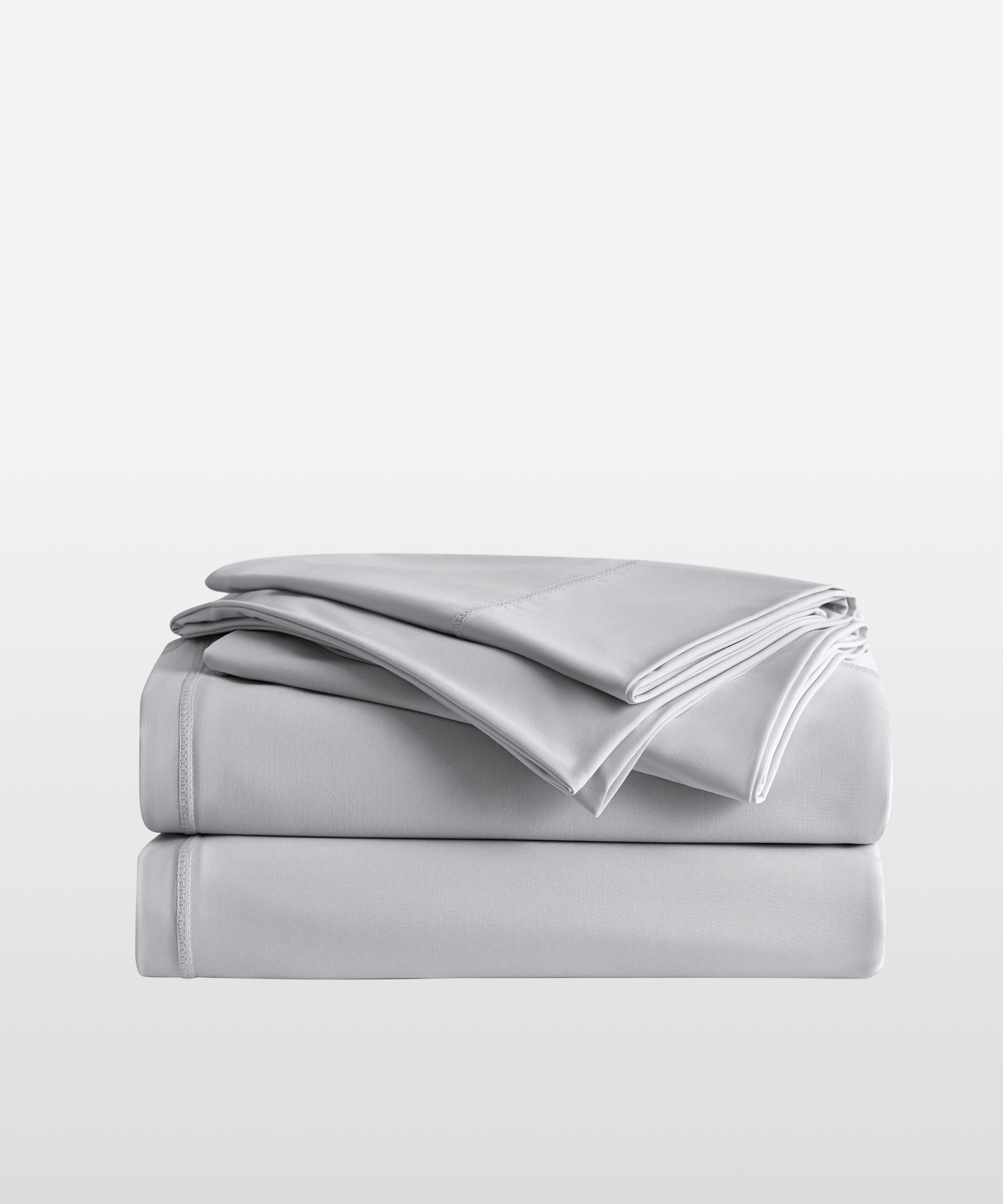
Layer 1: Cooling Sheet Set (Most Important)
The sheet set is the highest-priority upgrade for managing night sweats because it maintains direct skin contact throughout the night. Prioritize air permeability and moisture transport above all other features.
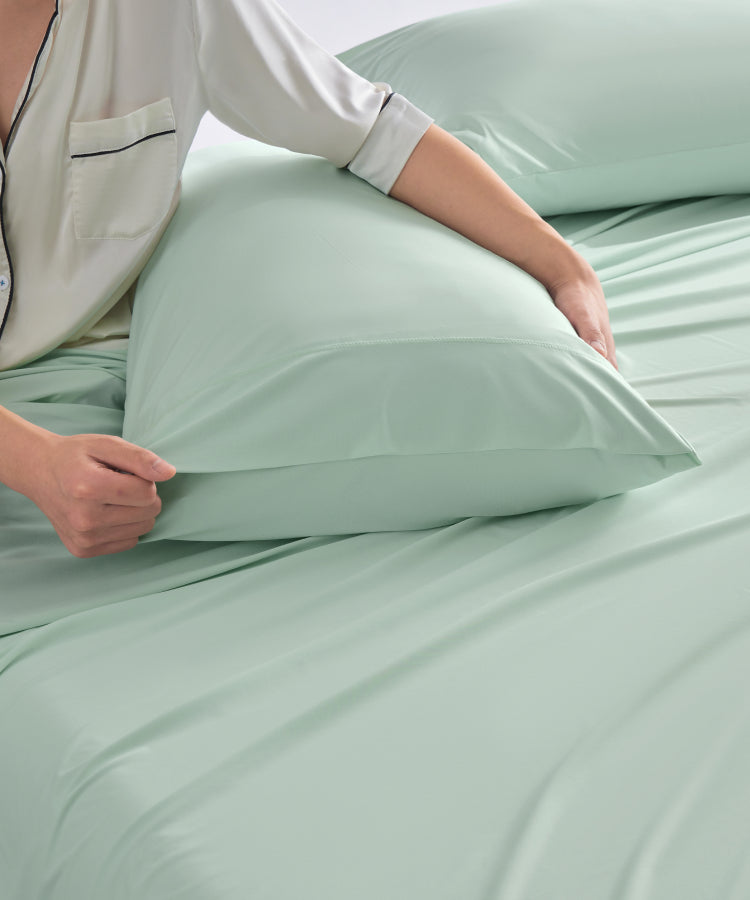
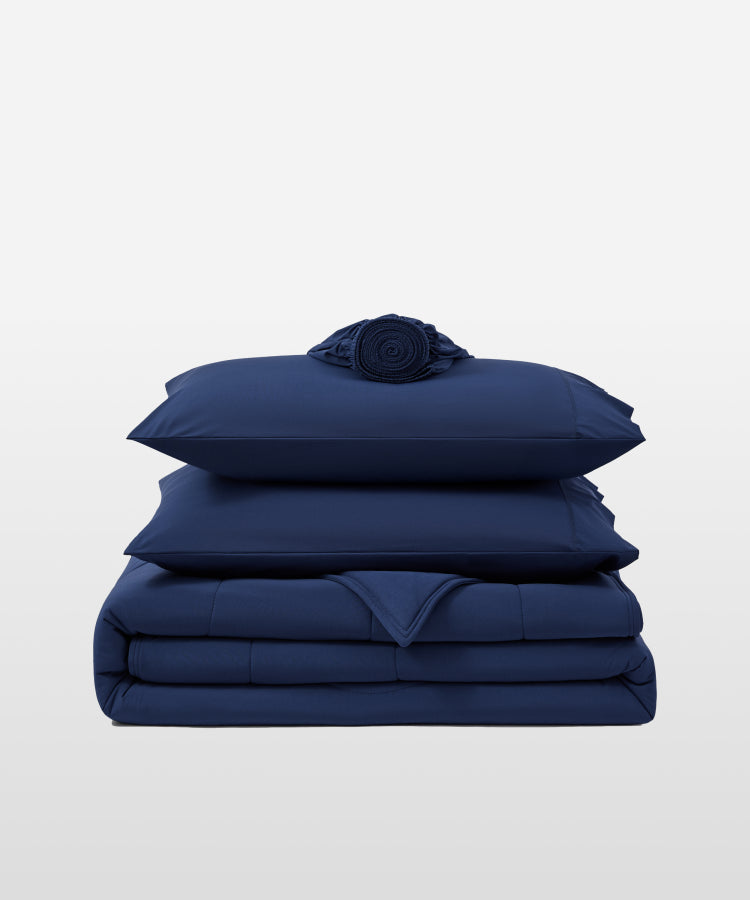
The Breescape Cooling Sheet Set uses BlendTek™ fabric technology with a high-permeability knit structure engineered to deliver up to 4.5× more breathability than standard 200-thread-count cotton percale. Its moisture transport system moves perspiration away from the skin surface rather than absorbing it, maintaining consistent dryness through extended periods of sweating.
Layer 2: Lightweight Comforter
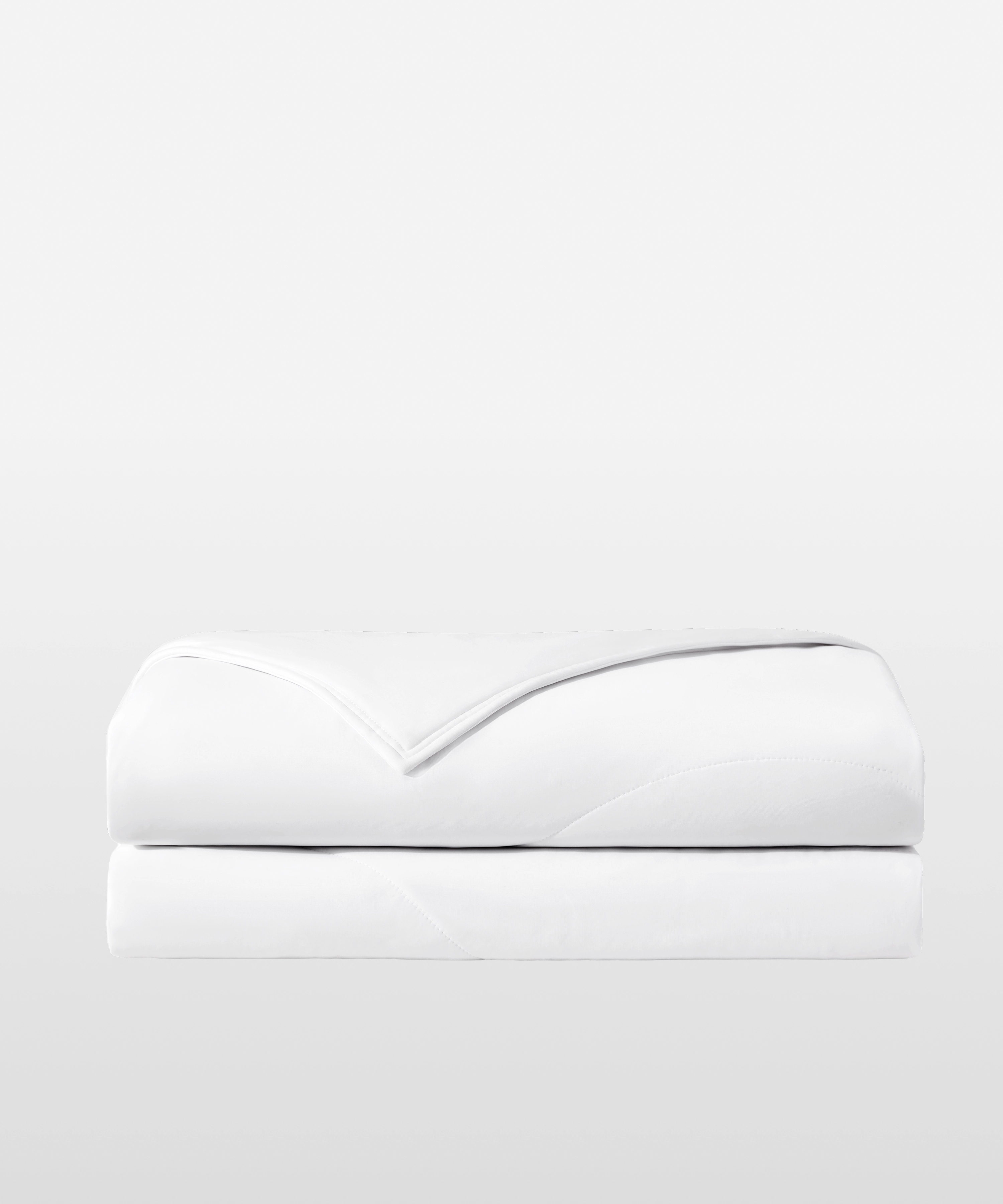
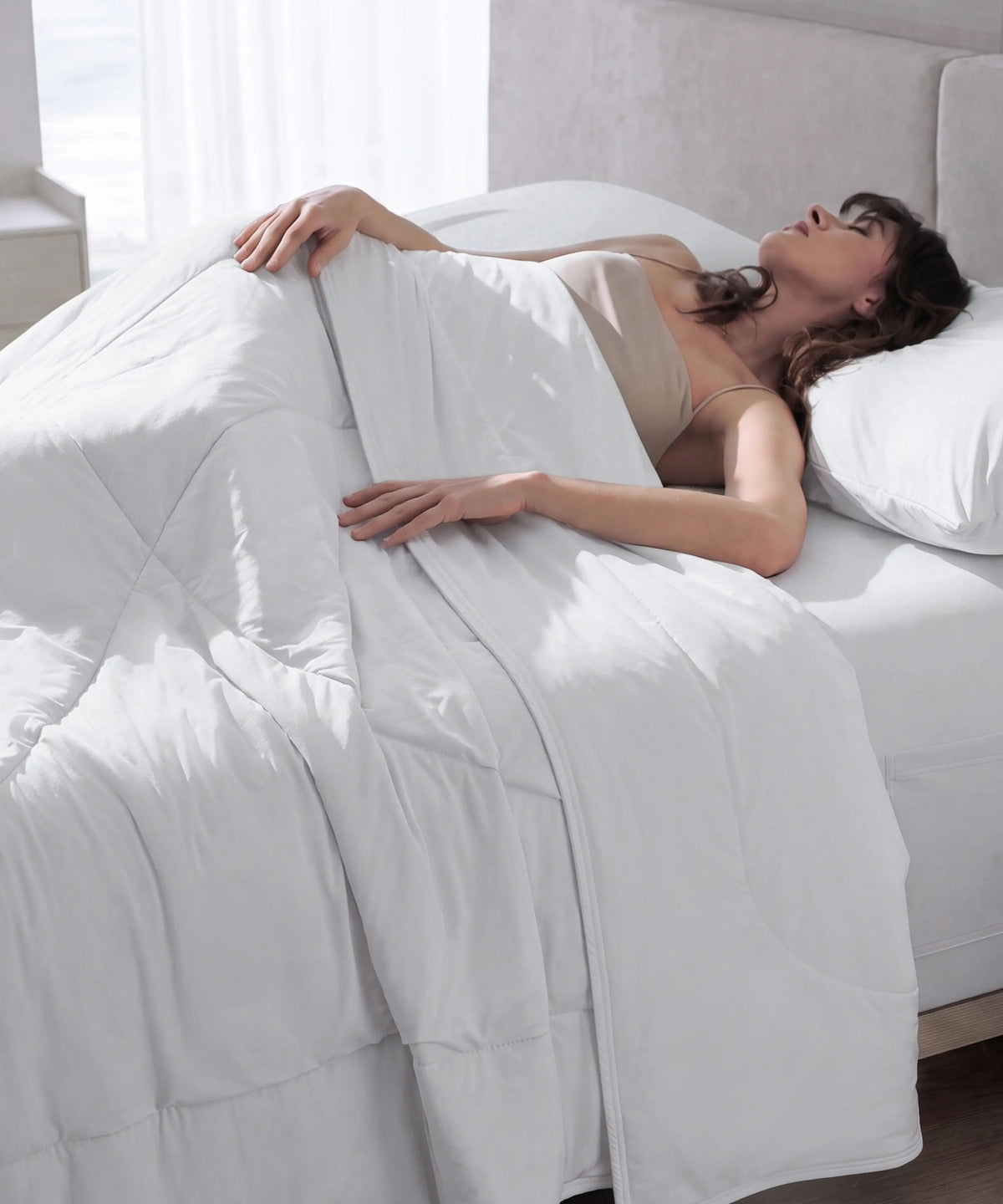
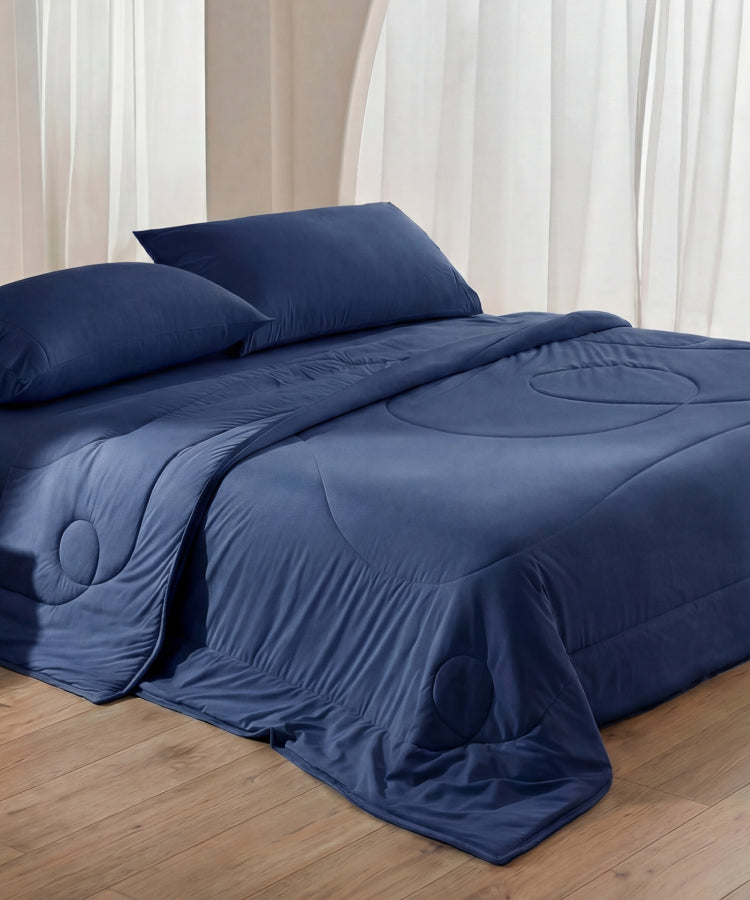
A heavy duvet above cooling sheets partially negates their effect by trapping heat and restricting air movement upward. A lightweight comforter designed for warm sleepers—with a low fill power and breathable outer fabric—allows the cooling sheet layer to function as intended. The Breescape Lightweight Comforter is designed to provide coverage without the thermal weight that worsens night sweats.
Layer 3: Moisture-Wicking Pillowcases
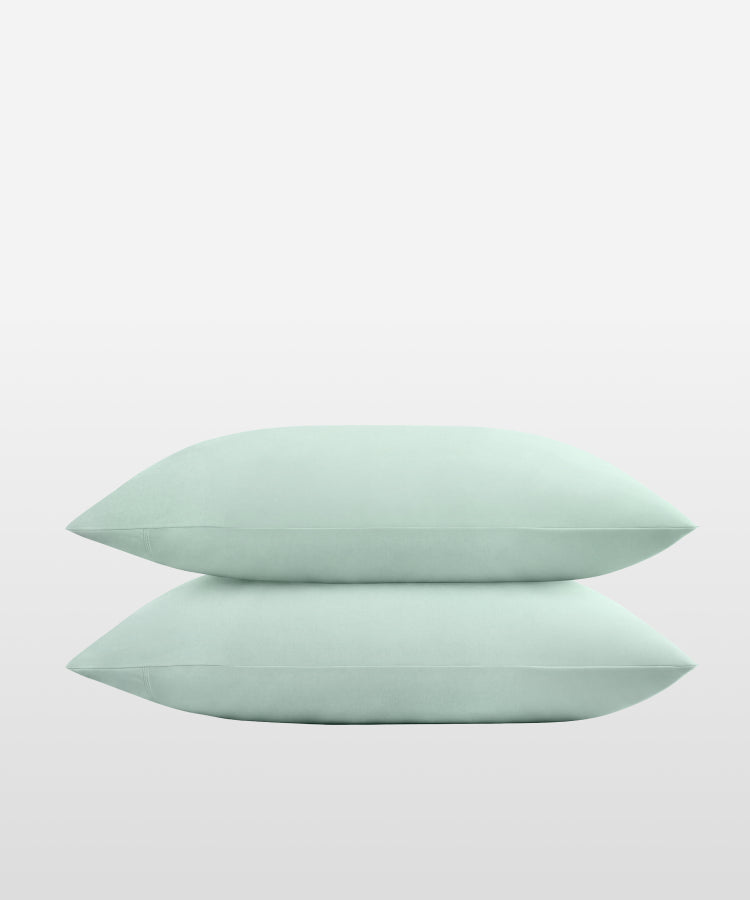
The head and neck generate significant heat during sleep and are in sustained contact with the pillow surface. Standard cotton pillowcases absorb sweat and quickly become damp, creating the same feedback loop as conventional sheets. Cooling pillowcases with the same moisture-transport properties as the sheet set complete the sleep surface.
Sleep Environment Adjustments
Bedding improvements work most effectively when combined with basic environmental changes: keeping the bedroom at 65–68°F (18–20°C), improving air circulation with a fan, and avoiding alcohol or heavy meals within two to three hours of sleep. These factors directly lower the thermal baseline that night sweats build from.
When Bedding Changes Aren't Enough: Seeking Medical Advice
Cooling sheets and environmental adjustments can significantly reduce night sweats with environmental causes. However, they cannot address underlying medical conditions. Consider speaking with a healthcare provider if:
- Night sweats are severe enough to require changing sheets or clothing during the night.
- Sweating is accompanied by fever, unexplained weight loss, or persistent fatigue.
- Symptoms began suddenly or have changed in character recently.
- You are in perimenopause or menopause, and sweats significantly affect your sleep quality.
- Bedding and environment improvements have been implemented consistently for four or more weeks without improvement.
A primary care provider can evaluate whether hormonal, metabolic, or other factors are driving the sweating and recommend appropriate treatment alongside environmental management strategies.
Frequently Asked Questions
Do cooling sheets actually help with night sweats?
Yes, for night sweats with environmental causes. Cooling sheets improve breathability and moisture transport, addressing two of the primary mechanisms that drive nighttime sweating. They are most effective when paired with a lightweight comforter and a cool bedroom environment. For night sweats with medical causes—hormonal, infectious, or medication-related—cooling sheets can improve comfort but do not treat the underlying condition.
What is the best bedding for night sweats?
The most effective bedding setup for night sweats combines cooling sheets with high air permeability and moisture-transport properties, a lightweight breathable comforter, and moisture-wicking pillowcases. Among sheet types, open-knit constructions with engineered fiber blends generally outperform high-thread-count cotton percale for breathability and sustained moisture management.
Why do I sweat so much at night, even when I'm not hot?
Perceived room temperature and actual body temperature during sleep are not always correlated. The body's core temperature naturally drops during sleep in
Are cooling sheets for night sweats different from regular cooling sheets?
The best cooling sheets for night sweats prioritize sustained moisture transport over simple breathability. A sheet might feel cool to the touch initially, but fail to manage sustained moisture output effectively. Look specifically for fabric data on moisture-wicking performance and multi-hour testing, not just initial tactile sensation or general breathability claims.
Can night sweats cause skin irritation?
Yes, through two mechanisms. First, sustained sweat contact softens the skin barrier, increasing reactivity to friction from sheet surfaces. Second, as sweat evaporates from skin (rather than being transported away by fabric), it can leave irritating salt deposits. Cooling sheets that transport moisture away from the skin surface reduce both mechanisms. For more on managing the skin sensitivity dimension, see our guide to hypoallergenic bedding for sensitive skin.
What temperature should my bedroom be to reduce night sweats?
Sleep research consistently identifies 65–68°F (18–20°C) as the optimal bedroom temperature range for most adults. Temperatures above 70°F (21°C) significantly increase the frequency and severity of night sweats by preventing the natural core body temperature drop that initiates deep sleep stages.