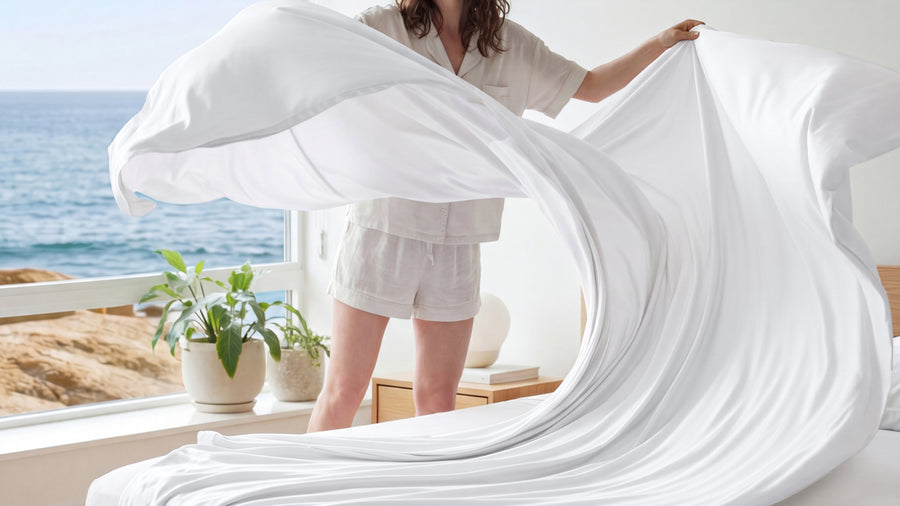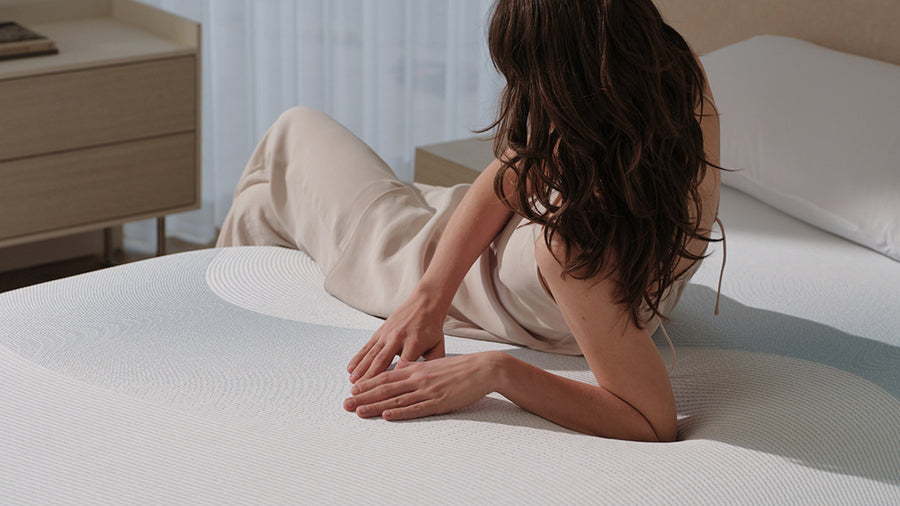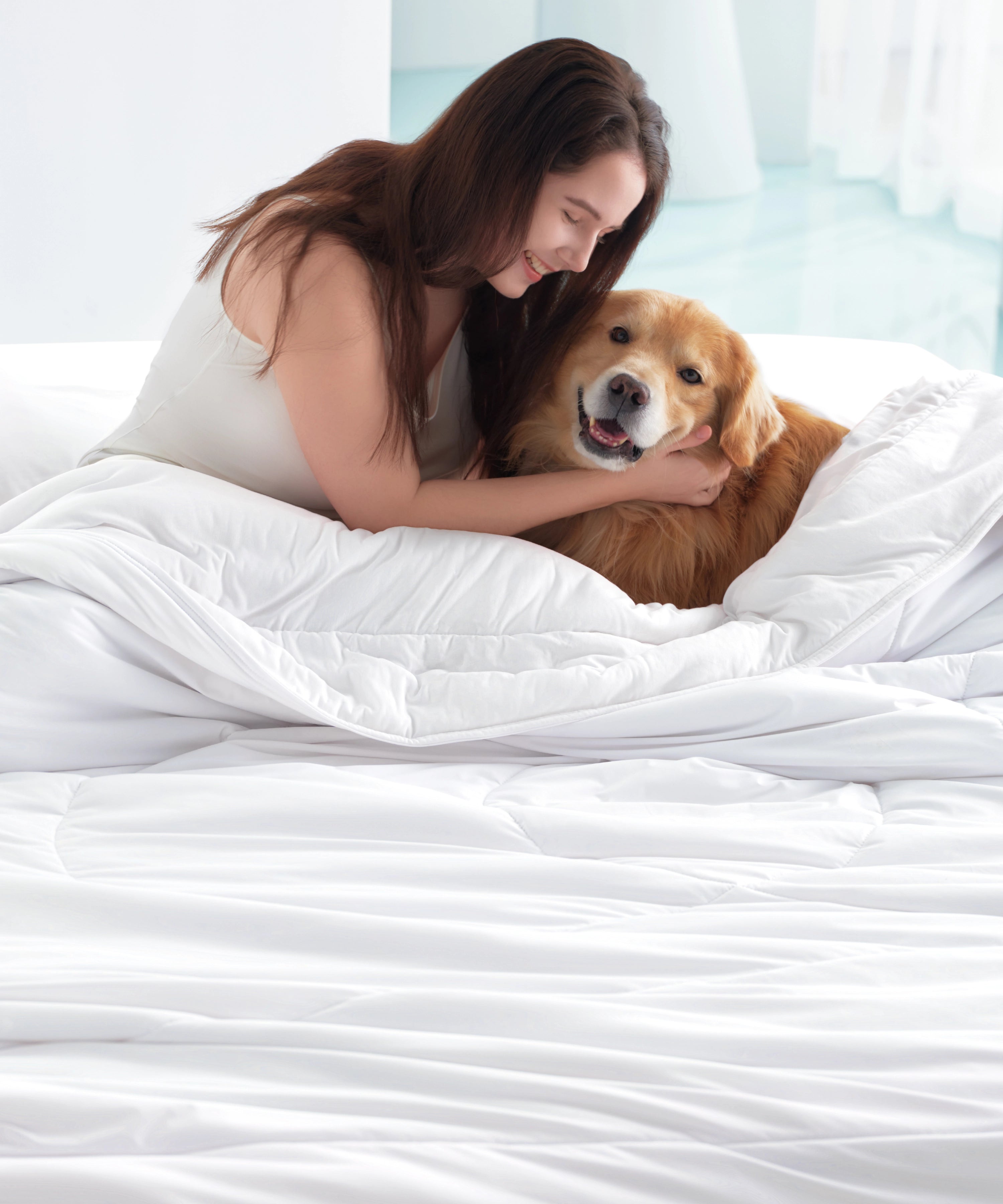



Tossing and turning in a pool of sweat is a universal sleep killer. While standard comforters trap body heat like an oven, the rising popularity of temperature-regulating bedding promises a permanent end to night sweats. Many skeptics wonder if the cooling comforter work or if it is simply a clever marketing trick. By utilizing advanced textile engineering and high-conductivity fibers, these comforters aim to drop your skin temperature the moment you crawl into bed. Science suggests that the right materials can indeed flip the switch on your sleep quality.
The Truth About Whether a Cooling Comforter Works for Sleep
Before investing in new bedding, most people want to know if the claims match reality. The answer is yes—these products use passive cooling technology to actively move thermal energy away from your body, preventing the heat buildup that typically occurs under standard comforters.
Instant Sensation and Sustained Comfort
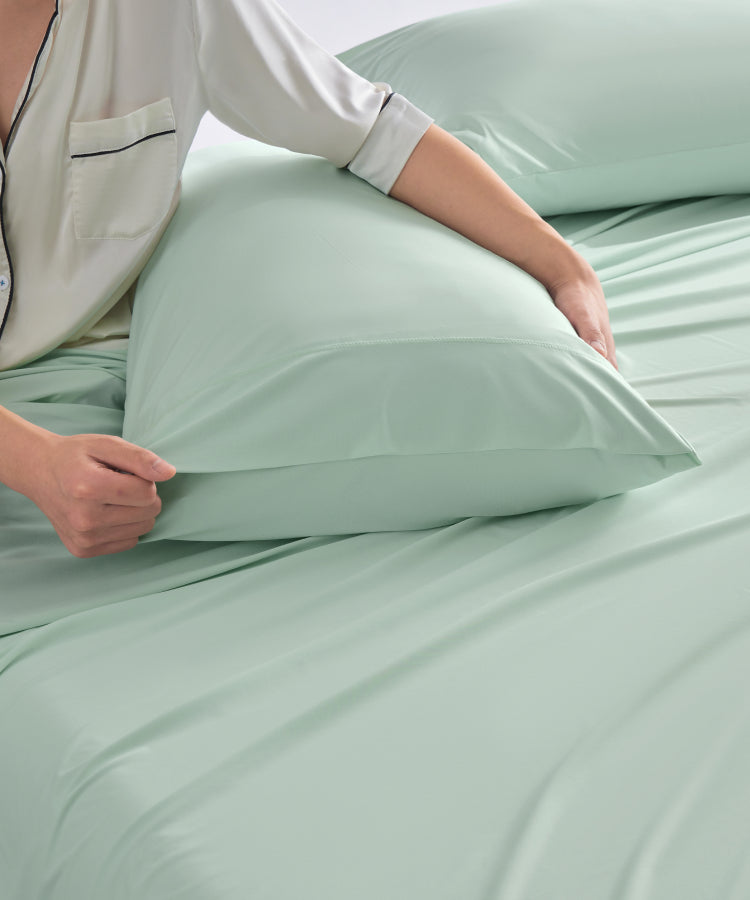
A common misconception is that a cooling comforter is a powered device like a refrigerator. In reality, the "chill" comes from high thermal conductivity materials that pull heat away at a rapid rate. High-quality versions offer a crisp, silky feel that remains noticeably cooler than the ambient air, providing a soothing sensation that lasts.
Versatility Through Dual-Sided Design
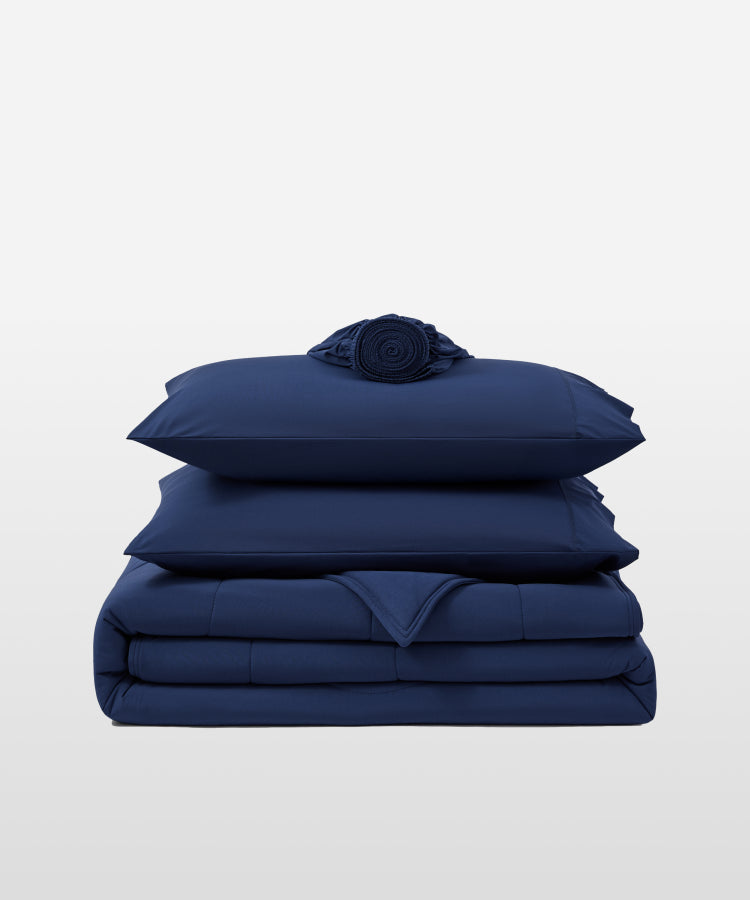
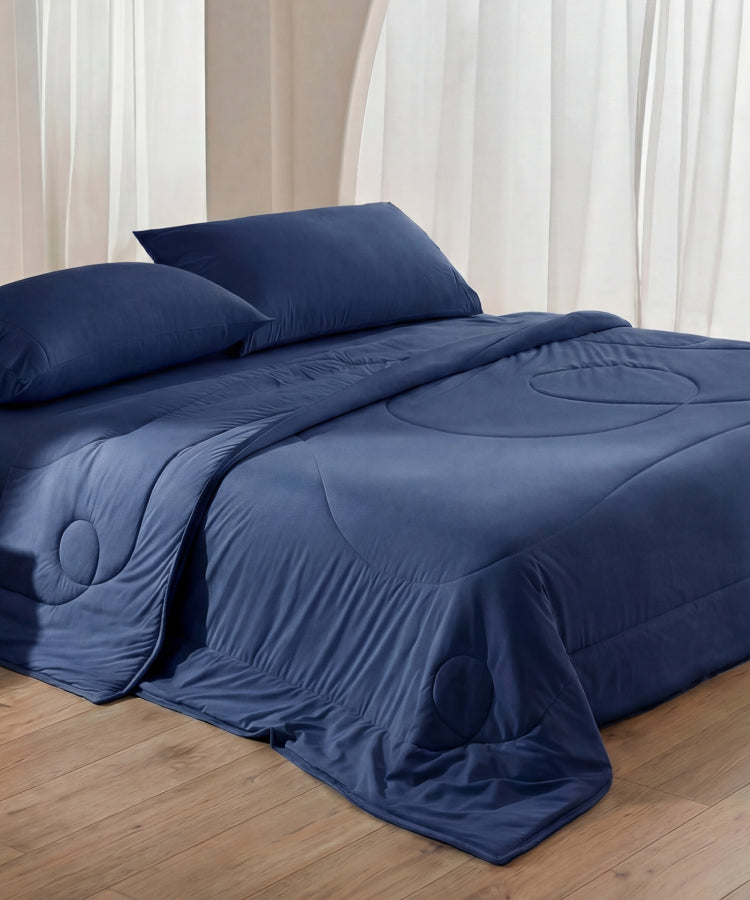
The most effective cooling bedding features a thoughtful three-layer construction that balances instant relief with all-night comfort. The cool side utilizes specialized high-conductivity fibers that draw heat away from your body, helping you fall asleep faster. The Naia™ Acetate Blend fill in the middle absorbs and releases excess heat and moisture throughout the night, keeping you consistently dry and comfortable. When you need a gentler sleep surface, simply flip to the breathable side, where an Eco-Cosy® rayon blend works to disperse trapped heat and keep you refreshed. This versatile design ensures targeted temperature regulation no matter which side suits your needs.
The Science of Q-max and Heat Transfer in a Cooling Comforter
To answer the question of how the cooling comforter works, we have to look at physics. The primary metric used in the textile industry is the Q-max value. Q-max is the peak measurement of instantaneous heat loss that occurs when your skin touches a fabric. A standard fabric usually has a rating around 0.2, but premium cooling textiles often exceed 0.4, meaning they pull heat away twice as fast.
Beyond the initial touch, several scientific principles are at play to maintain comfort throughout the night.
-
Thermal Conductivity: This is the ability of a material to move heat through its fibers rather than storing it.
-
Moisture Wicking: This process involves drawing sweat away from the skin to the surface of the fabric for rapid evaporation.
-
Arc-Chill Technology: Premium cooling comforters utilize specialized fiber systems that combine conductive minerals with advanced weaving techniques. The most effective versions achieve Q-max ratings of 0.4 or higher—double the cooling power of standard fabrics. These high-performance fibers create an instant cool-to-touch sensation while maintaining their cooling effectiveness throughout the entire night.
Comparison Between Cooling Comforters and Regular Bedding Materials
The secret to a successful sleep setup lies in the fibers. Traditional comforters often rely on polyester or heavy down, which act as insulators that lock heat in. In contrast, cooling comforters utilize specific weaves and mineral-infused yarns designed for maximum airflow. The following table highlights the primary differences between standard materials and those found in high-performance bedding.
| Material Feature | Standard Comforters | Cool Comforters |
| Q-max Rating | Low (Approx 0.2) | High (Often 0.4 or higher) |
| Heat Retention | High (Traps body heat) | Low (Disperses heat quickly) |
| Breathability | Limited airflow | Enhanced ventilation weaves |
| Surface Texture | Soft and fuzzy | Smooth, silk-like, and crisp |
As shown in the data above, the structural differences determine how much heat remains trapped near your skin. Choosing the right material ensures that your bedding works with your body instead of against it.
The Benefits of Cooling Comforters for Specific Sleep Issues
Many individuals struggle with sleep due to physiological factors that increase their core temperature. Using cool comforters can provide a non-medicinal way to manage these fluctuations. When your body cannot shed heat, your brain stays in a state of alertness. A drop in temperature is a biological signal to the brain that it is time to rest.
Relief for Night Sweats and Hot Flashes
People dealing with hormonal changes or high metabolisms often wake up drenched in sweat. A cooling comforter for hot flashes is specifically helpful because it manages the sudden spikes in body temperature. Instead of the moisture being trapped against the skin, the moisture-wicking fabric pulls it away, keeping the sleeper dry and comfortable. This reduction in humidity prevents the "chill-and-shiver" cycle that often happens after a sweat spike.
Support for Physical Recovery and Deep Sleep
Athletes often find that their bodies radiate more heat during the recovery phase at night. Advanced bedding helps regulate this thermal output through efficient heat exchange. This regulation allows the muscles to rest without the discomfort of overheating, which can lead to a more refreshed feeling upon waking. Lowering the skin temperature helps the body reach the deep sleep stage faster, which is where most physical repair occurs.
Improved Rest for Sensory Sensitive Sleepers
For those who are sensitive to the weight and texture of fabrics, traditional heavy quilts can feel restrictive and sweltering. The lightweight and smooth nature of cooling fabrics provides a soothing sensory experience. By removing the irritation of heavy, heat-trapping layers, individuals can relax their nervous systems more effectively.
What to Look for in a Quality Cooling Comforter
Not all cooling bedding is created equal. When shopping for a cooling comforter that truly works, prioritize these features:
-
High Q-max Rating: Look for products with a verified Q-max of 0.4 or higher for guaranteed cooling performance.
-
Certified Safety: Choose OEKO-TEX Standard 100 certified fabrics to ensure the materials are free from harmful chemicals.
-
Easy Care: Machine-washable designs maintain their cooling properties wash after wash without special treatment.
-
Risk-Free Trial: Reputable brands offer trial periods (such as 30 days) so you can test the cooling effect in your own home before committing.
-
Long-Term Warranty: Quality products backed by lifetime warranties demonstrate manufacturer confidence in durability.
Better Sleep With Thermal Control
Upgrading your bedding is a practical step toward reclaiming your rest. Science confirms that managing heat transfer is essential for deep sleep, and advanced Arc-Chill technology makes this possible. Transitioning to a high-performance cooling comforter can eliminate the frustration of night sweats and constant tossing. Focus on products with a verified Q-max rating, OEKO-TEX certification, and trial periods that let you experience the difference risk-free. Start your journey toward a cooler, more restorative night tonight.
FAQs
Q1. Does the Cooling Comforter Work for Everyone?
Yes, most people will feel a significant difference, especially those who tend to overheat during the night. The instant cooling sensation provides immediate relief, while the moisture-wicking properties keep you dry until morning.
Q2. How Does the Cooling Comforter Work to Lower Temperature?
High-performance cooling comforters use specially engineered conductive fibers that rapidly move thermal energy away from your skin. The most advanced products achieve Q-max ratings of 0.4 or higher, allowing your body to reach its ideal sleeping temperature much faster than traditional fabrics. The cooling effect is instant upon contact and sustained throughout the night.
Q3. Are Cooling Comforters Better Than Traditional Cotton Options?
Yes, because specialized cooling fabrics have a much higher Q-max value than standard cotton. While cotton is breathable, it often lacks the rapid heat-dispersion and advanced moisture management found in dedicated cooling textiles.
Q4. Can I Use a Cooling Comforter for Hot Flashes Year-Round?
Yes, these cooling comforters are designed for versatility and are effective in any season. Many users find them particularly helpful during winter when indoor heating can cause uncomfortable temperature spikes during sleep.