
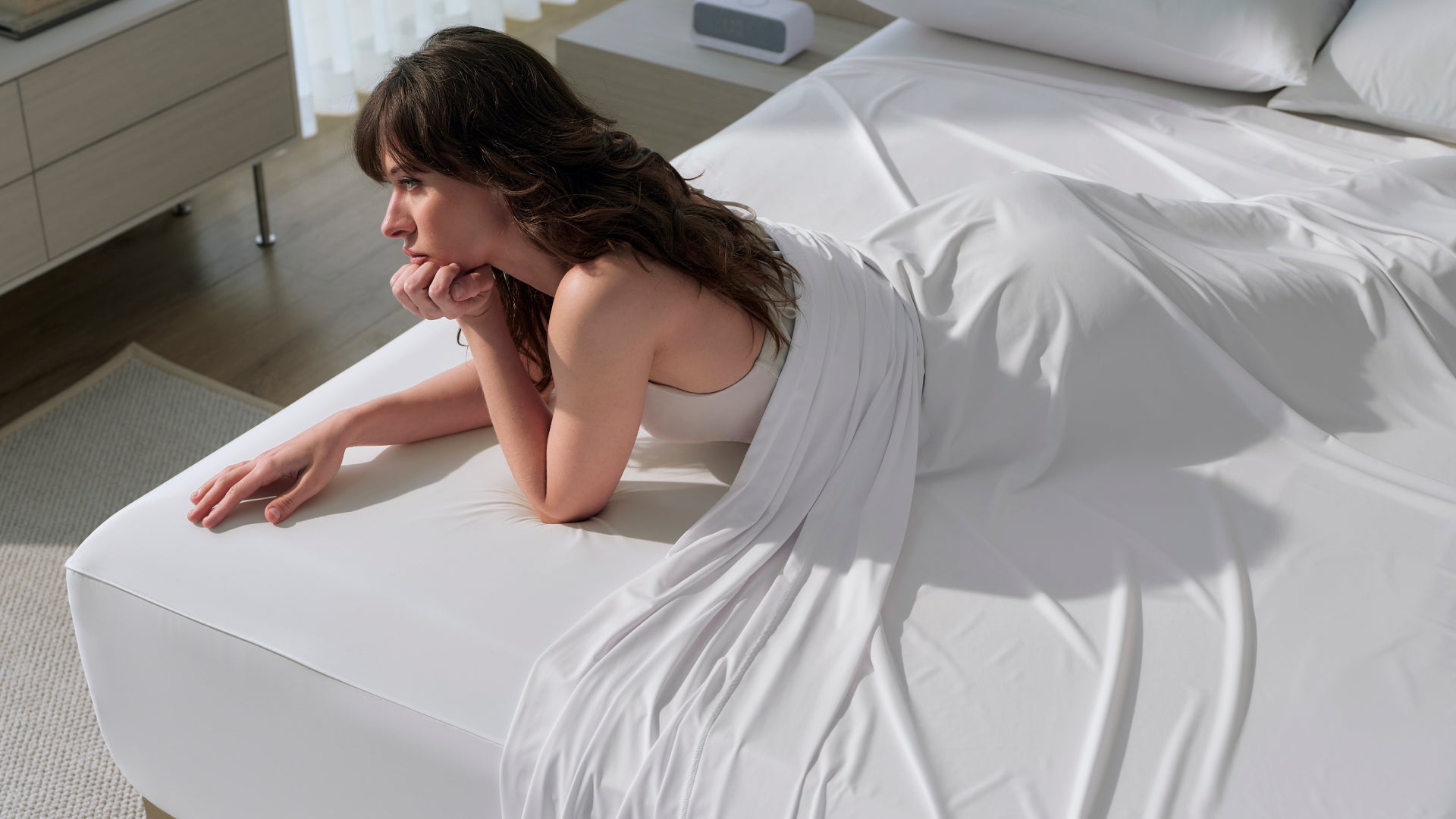
Sleeping without air conditioning is a heat-management problem, not a willpower problem. The practical goal is to remove heat before bed, keep air moving when it is safe to do so, and reduce the warmth trapped directly around your body.
There is one safety limit: during extreme heat, bedding and fans are not enough. The CDC warns that fans can increase body temperature when indoor temperatures are above 90°F and recommends using air conditioning or finding a cooling location during dangerous heat.[1]
First, Cool the Room Before You Cool the Bed
Open windows only when the outdoor air is cooler than the indoor air. In many homes that means waiting until late evening, then creating a cross-breeze: one window open on the intake side and a fan facing outward in another window to push warm air out. If the outdoor temperature stays high overnight, close the windows and focus on shade, airflow, and lighter bedding.
During the day, block solar heat early. Close blinds on sun-facing windows, keep lamps and electronics off when possible, and avoid running heat-producing appliances near bedtime.
Use Fans Carefully
A fan helps most when it moves cooler air across the body or helps exhaust warm indoor air. It helps less when it only circulates already-hot air around a closed room. For sleep, aim the airflow across the bed rather than directly at the face if dryness bothers you.
If you wake up hot at 2 or 3 a.m., the issue is often heat stored in the room and mattress, not the first few minutes of airflow. That is where bedding choices matter.
Change the Layers That Hold Heat
Heavy comforters, dense mattress protectors, and thick cotton layers can trap warmth even when the room is not extreme. Sleep Foundation explains that cooler environments support the body's natural temperature drop during sleep.[2] Bedding should work with that drop, not fight it.
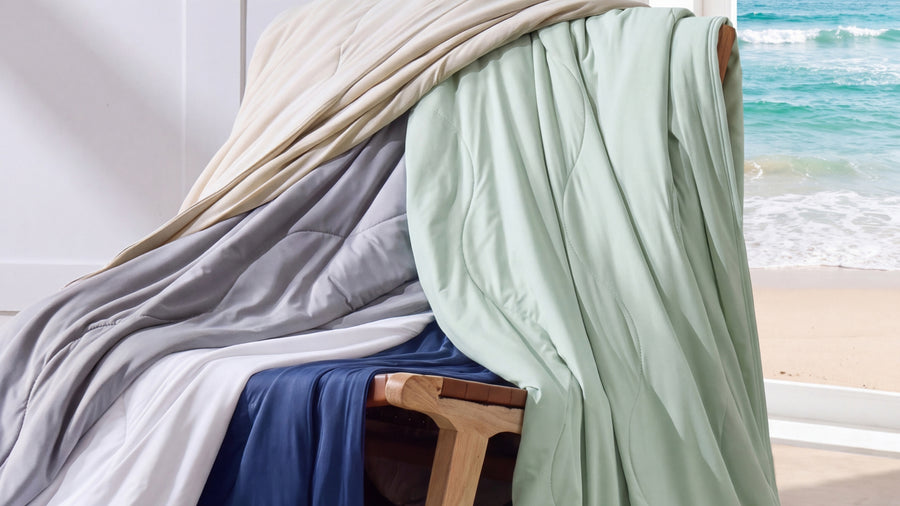
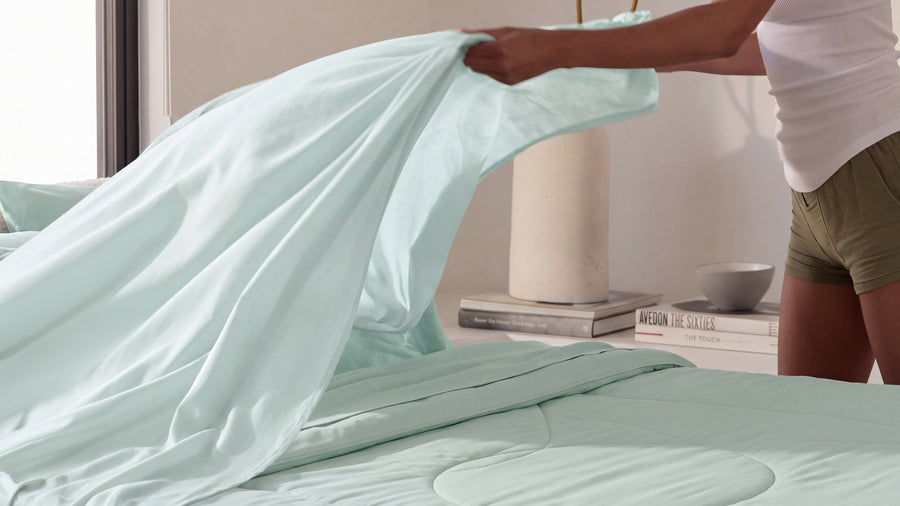
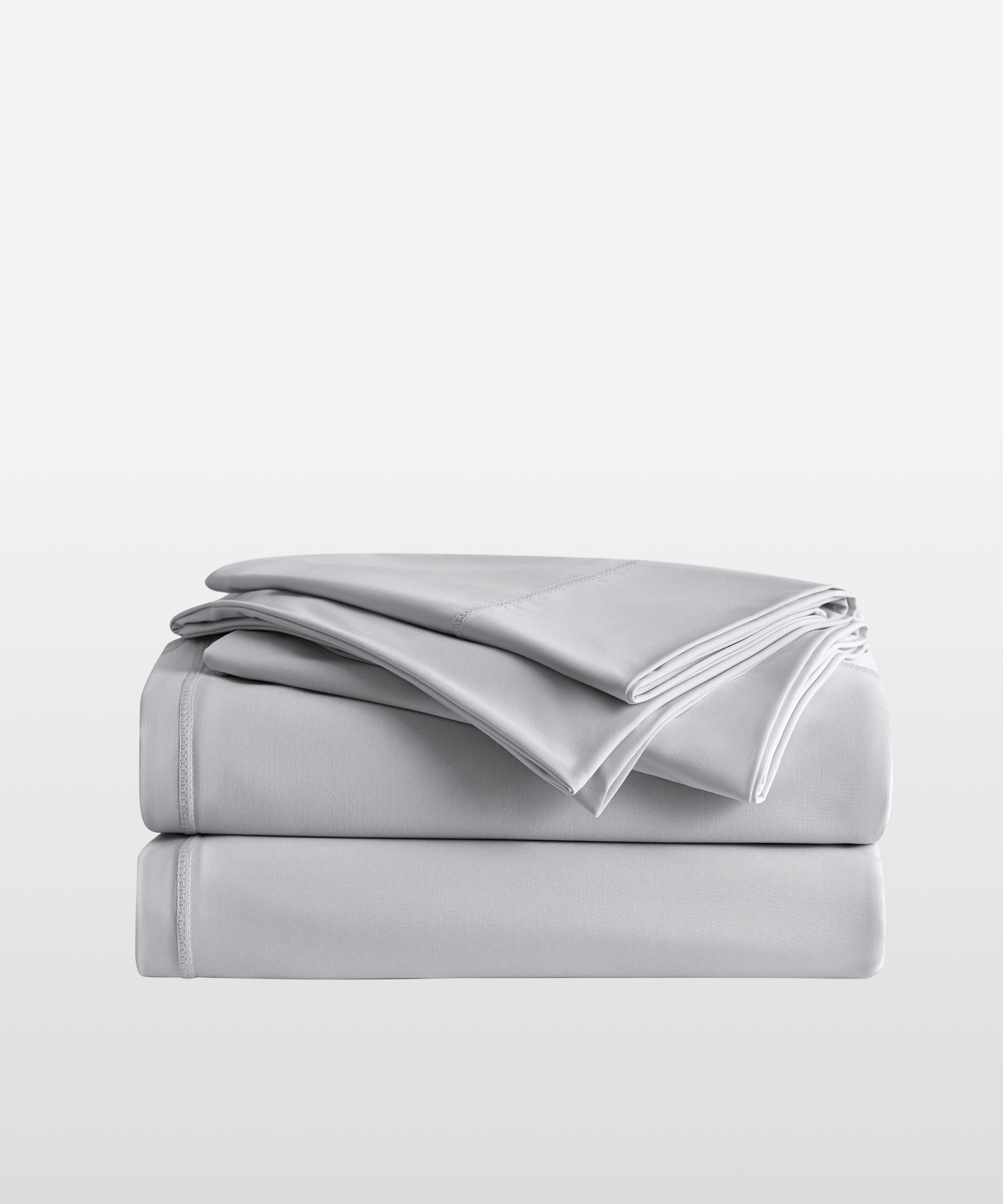
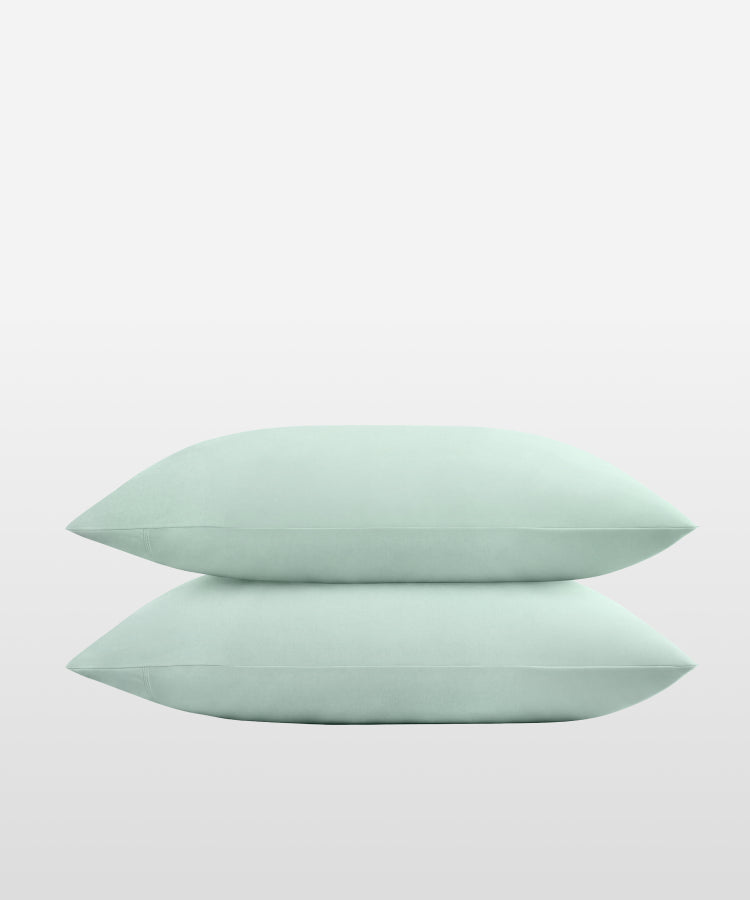
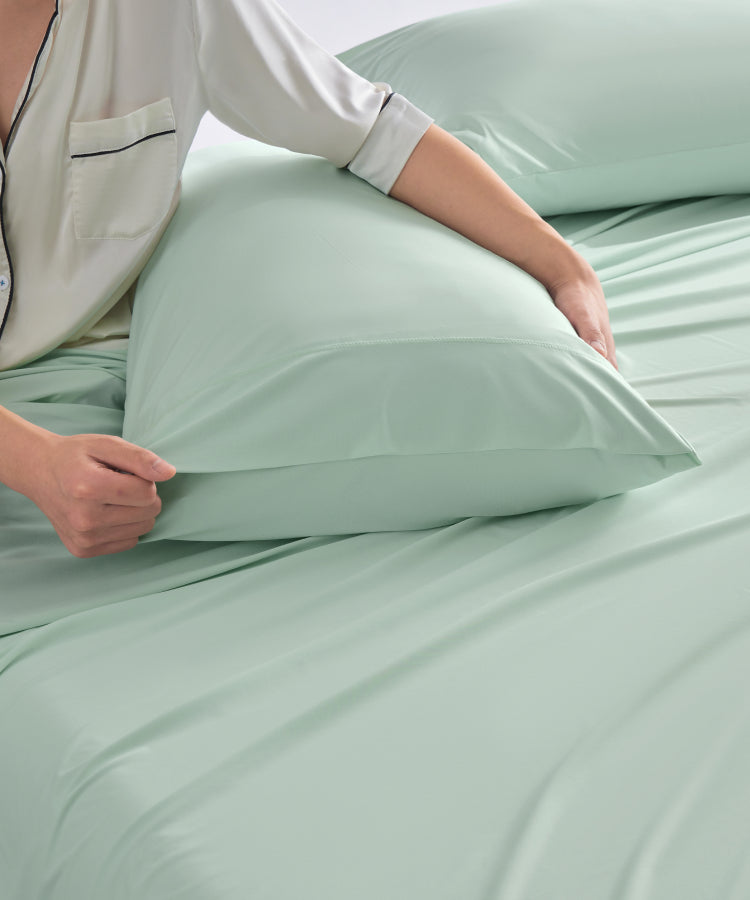
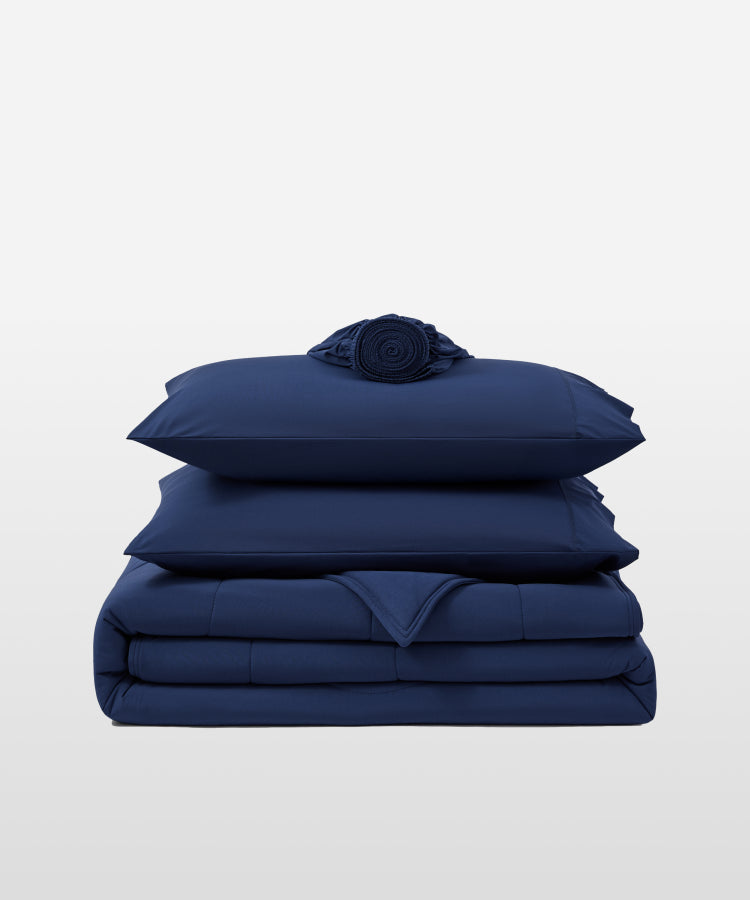
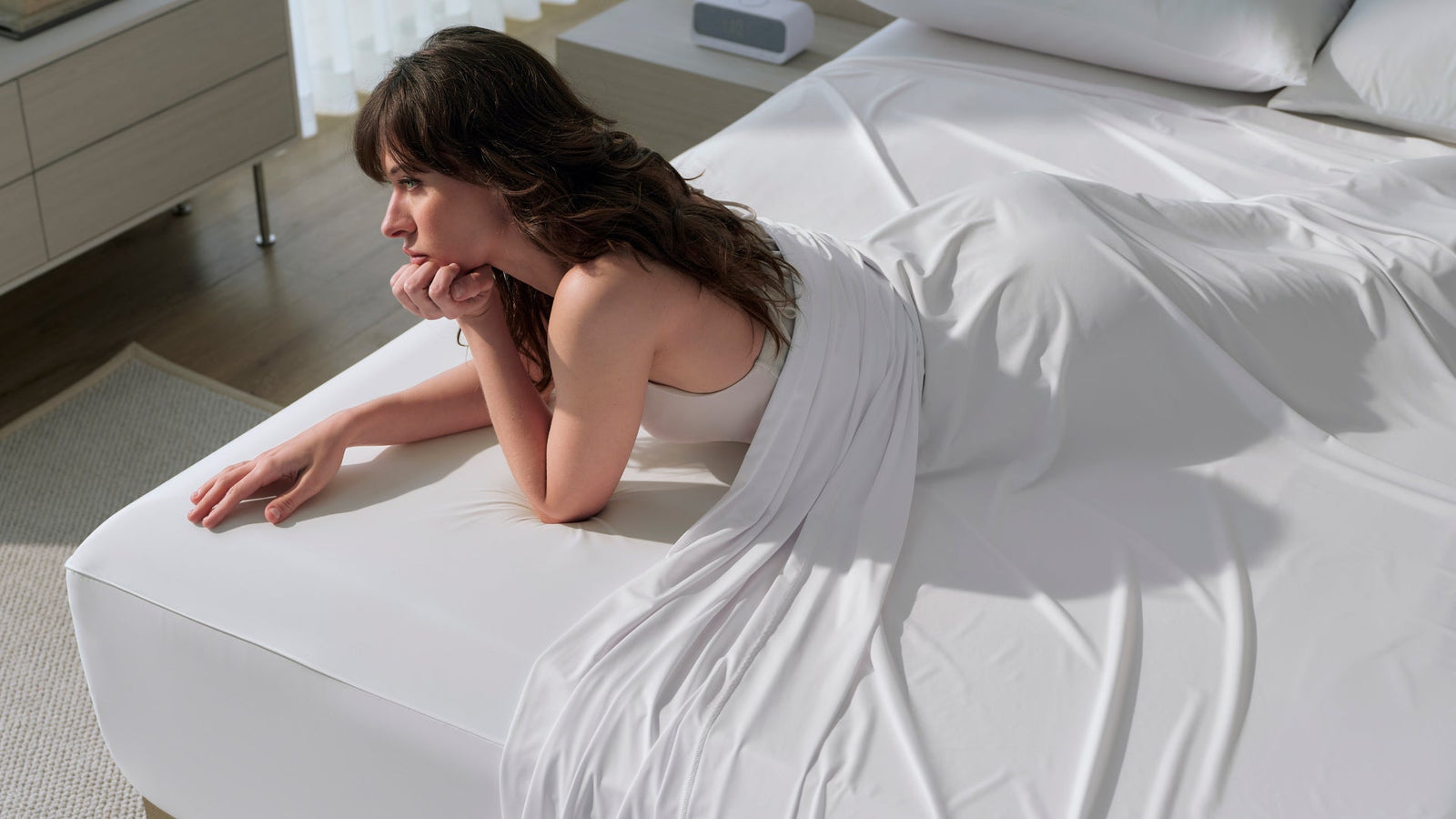
Breescape's cooling sheets use BlendTek fabric with Q-Max > 0.46 and moisture-wicking construction.[3][4] That makes them a better first upgrade than adding another fan if your sheets feel damp, heavy, or warm against your skin.

Build a No-AC Bedding Setup
| Situation | Use | Avoid |
|---|---|---|
| Warm but manageable bedroom | Cooling sheets + light top layer | Heavy quilts and fleece blankets |
| Mattress feels hot underneath | Cooling topper + breathable fitted sheet | Thick waterproof protectors unless needed |
| You need coverage to sleep | Cooling comforter used directly | Standard duvet cover over cooling fabric |
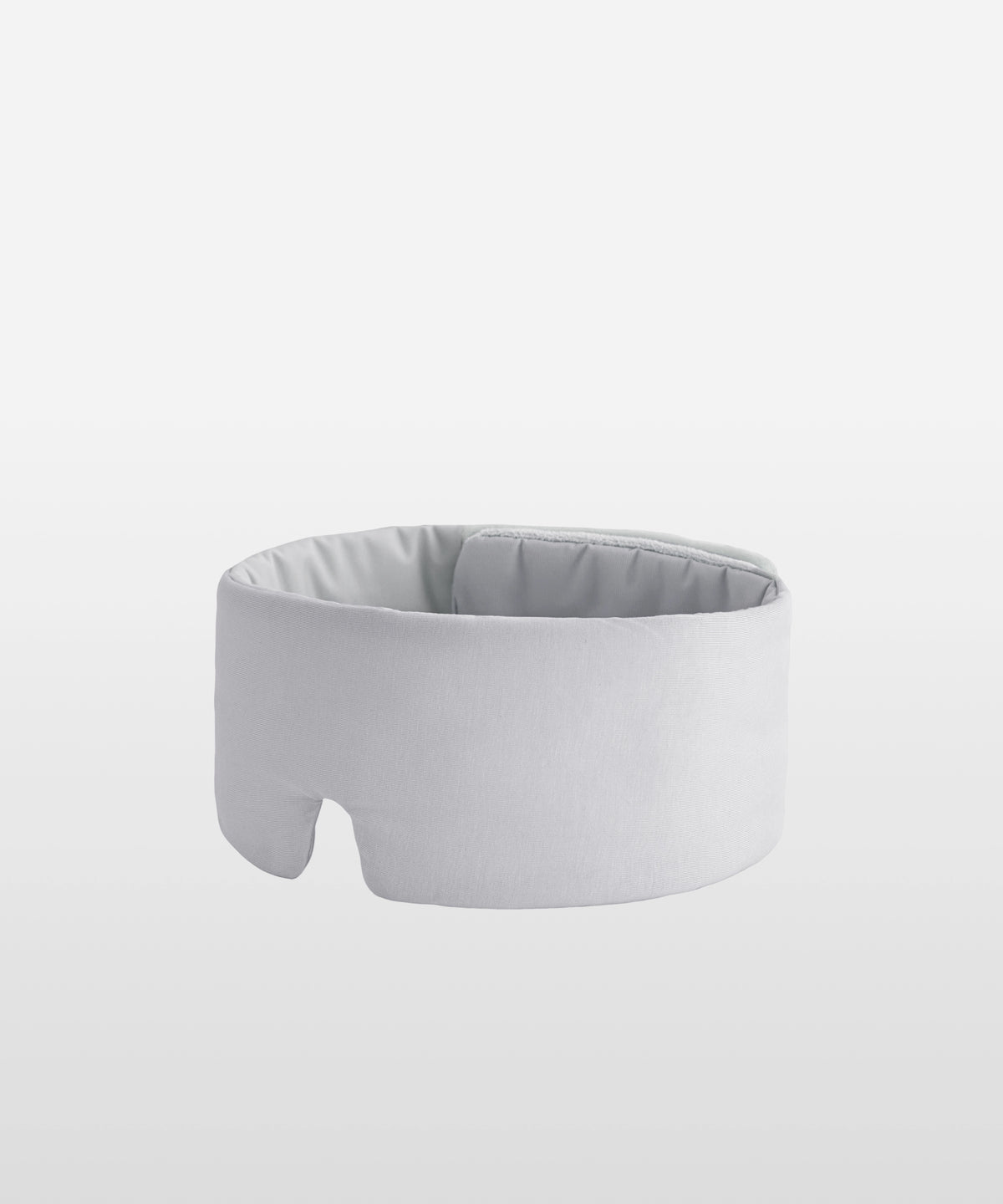
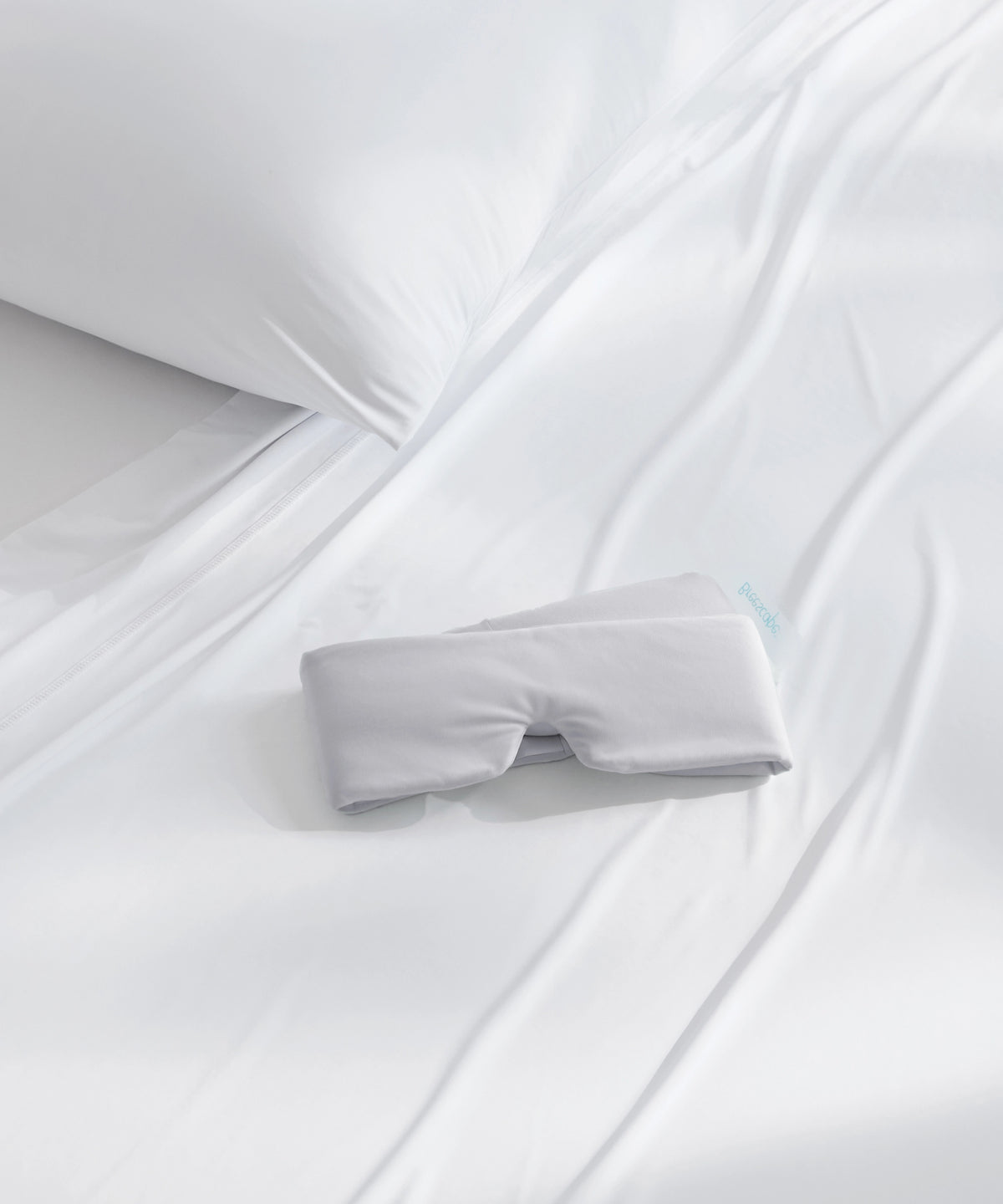
| Face and neck feel warm | Cooling pillowcase or eye mask | Stacking multiple pillows around the head |
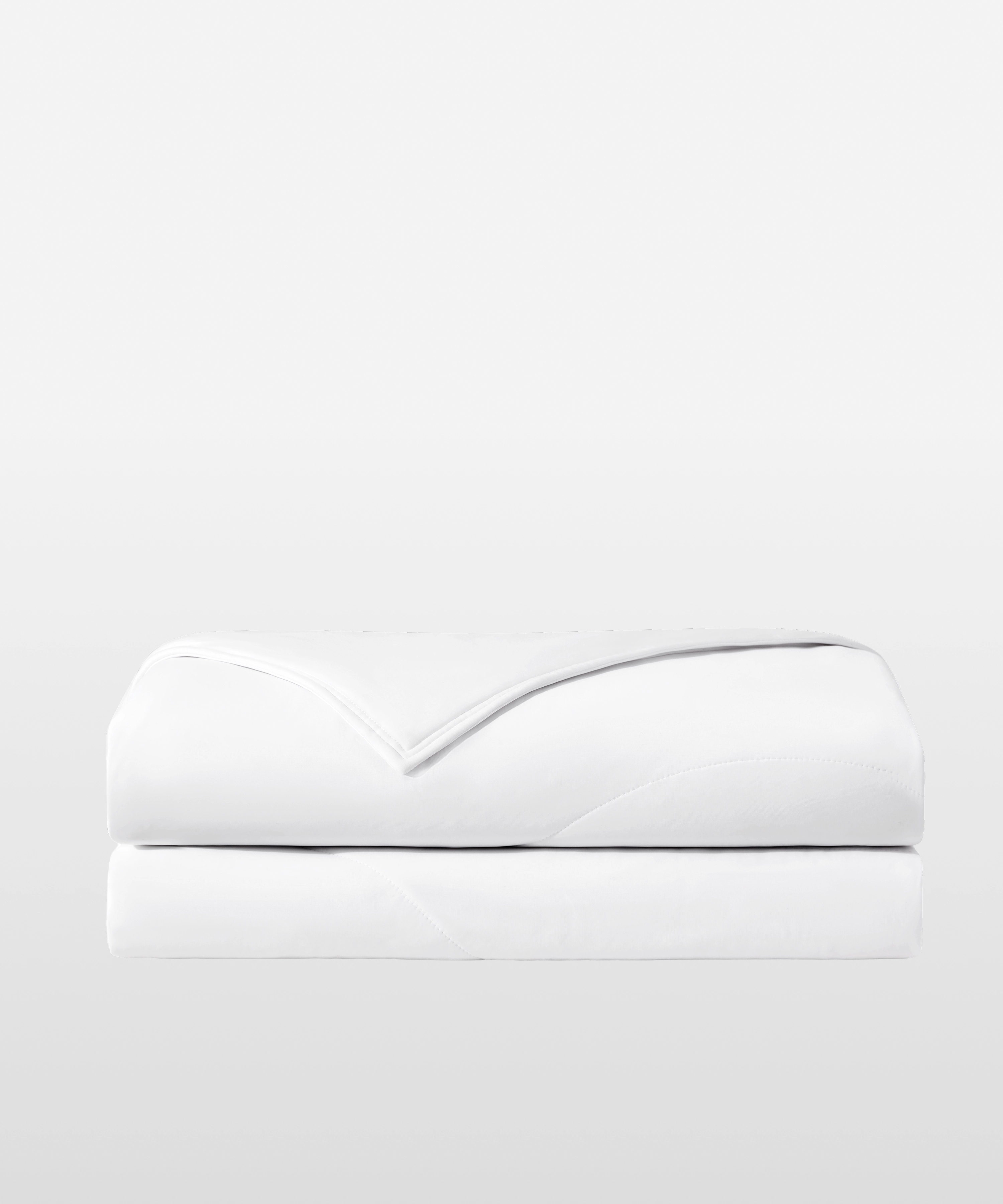
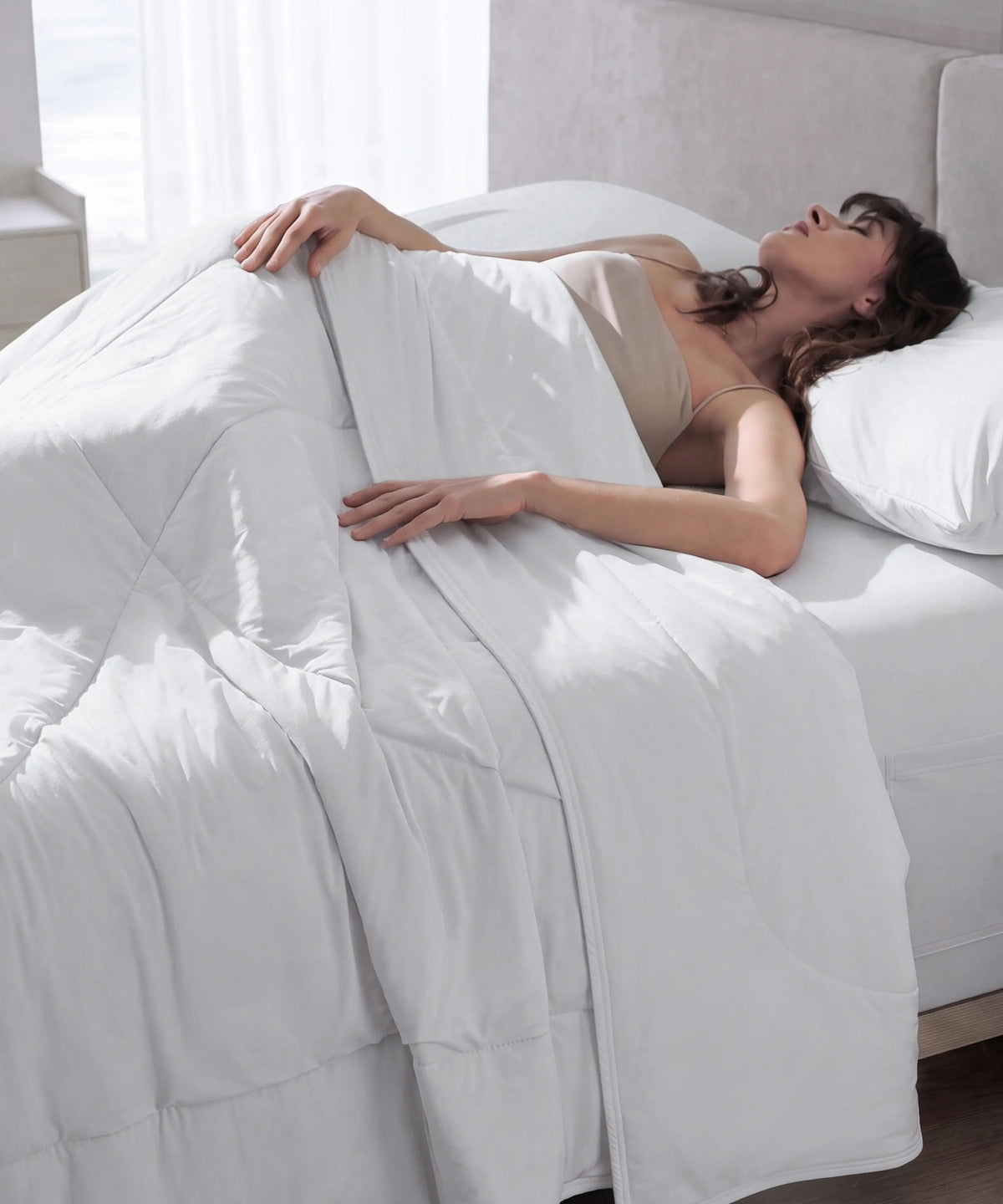
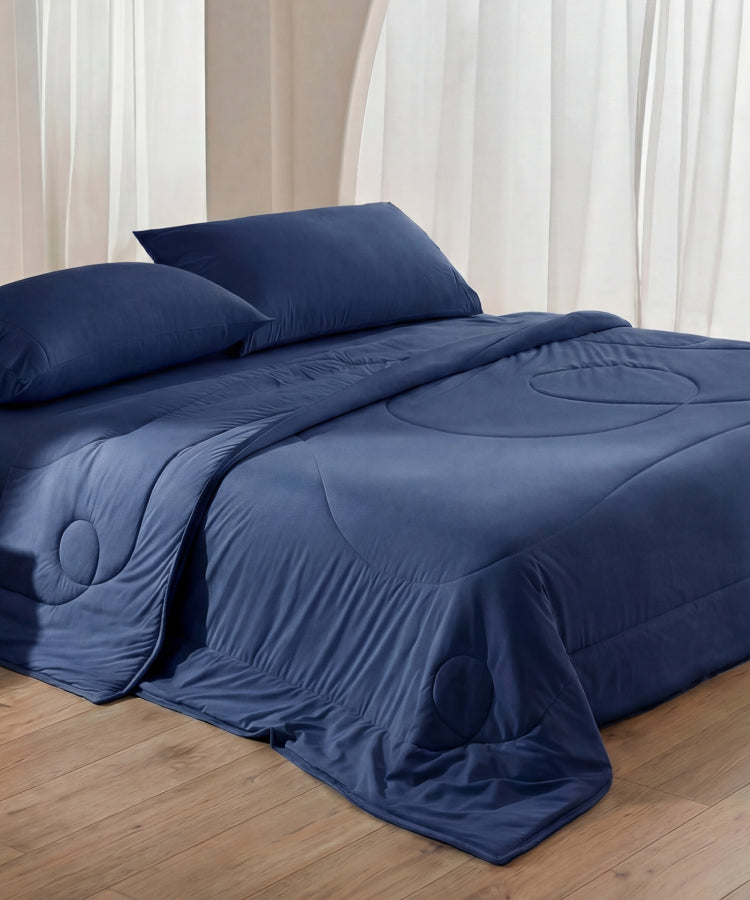
The Breescape Cooling Comforter Blanket 2.0 is listed with Q-Max above 0.5 and a lighter cooling construction for hot sleepers.[5] If heat comes from the mattress surface instead, Breescape's Cooling Mattress Topper is the more relevant layer because it targets the sleep surface below the sheet.[6]
What to Do Before Bed
- Take a lukewarm or cool shower 30-60 minutes before sleep, then let the body settle.
- Use lightweight sleepwear or skip sleepwear if that is more comfortable.
- Keep a second pillowcase nearby if you sweat around the head and neck.
- Drink water earlier in the evening, but avoid chugging right before bed if bathroom trips wake you.
- Keep the bed simple: fitted sheet, light top layer, and no decorative extras during hot months.
When No-AC Strategies Are Not Enough
If the room is still dangerously hot, do not try to solve it with bedding. Use a cooling center, library, mall, neighbor's home, or another air-conditioned place when heat risk is high.[1] Bedding can improve comfort; it is not emergency heat protection.
Heat-safety check
- Cooling bedding can make a bedroom feel more comfortable, but CDC heat guidance still treats air conditioning, cooling centers, hydration, and safe fan use as the priority during dangerous heat.[7]
Additional source checks
- Energy Saver’s cooling guidance supports the article’s practical hierarchy: reduce heat load and use safe cooling strategies before expecting bedding alone to solve a hot room.[8]

Frequently Asked Questions
How do I cool a bedroom without AC at night?
Ventilate only when outdoor air is cooler, block daytime sun, exhaust warm air with a fan, and simplify bedding so heat is not trapped around the body.
Do cooling sheets work without air conditioning?
Yes, for comfort. Cooling sheets can reduce heat and moisture at skin level, but they cannot make an unsafe room temperature safe.
What should I look for in a lightweight summer comforter?
Choose a breathable, washable comforter designed for hot sleepers, and use it directly instead of adding a heavy duvet cover.
How does fabric breathability affect sleep without AC?
Breathable fabric lets heat and moisture move away from the body, so the bed feels less humid and less sticky overnight.
Does sleeping without a comforter help in summer?
It can, but some people sleep better with light coverage. A cooling comforter is useful when you need cover without heavy insulation.
Are there bedding options that work for summer and milder nights?
Yes. Cooling sheets and a lightweight comforter can be used alone in summer and layered with warmer pieces when temperatures drop.
References
[1] CDC: About Heat and Your Health — , https://www.cdc.gov/heat-health/about/index.htmlhttps://www.cdc.gov/heat-health/about/index.html
[2] Sleep Foundation: Best Temperature for Sleep — , https://www.sleepfoundation.org/bedroom-environment/best-temperature-for-sleephttps://www.sleepfoundation.org/bedroom-environment/best-temperature-for-sleep
[3] Breescape Third-Party Tested, Globally Certified — , https://breescape.com/pages/third-party-testedhttps://breescape.com/pages/third-party-tested
[4] Breescape Cooling Sheet Set — , https://breescape.com/products/cooling-sheet-sethttps://breescape.com/products/cooling-sheet-set
[5] Breescape Cooling Comforter Blanket 2.0 — , https://breescape.com/products/blendtek-cooling-comforterhttps://breescape.com/products/blendtek-cooling-comforter
[6] Breescape Cooling Mattress Topper — , https://breescape.com/products/cooling-mattress-topperhttps://breescape.com/products/cooling-mattress-topper
[7] CDC: About Heat and Your Health — , https://www.cdc.gov/heat-health/about/index.htmlhttps://www.cdc.gov/heat-health/about/index.html
[8] Energy Saver: Air Conditioning — , https://www.energy.gov/energysaver/air-conditioninghttps://www.energy.gov/energysaver/air-conditioning