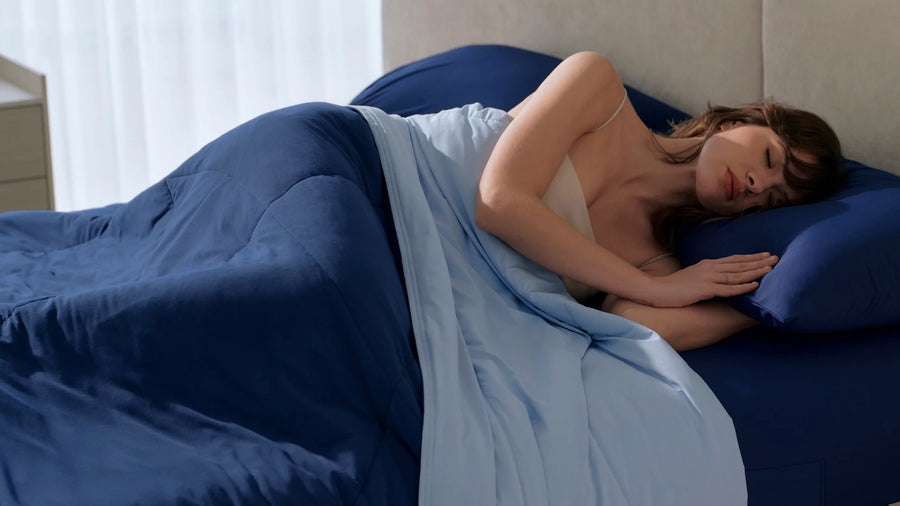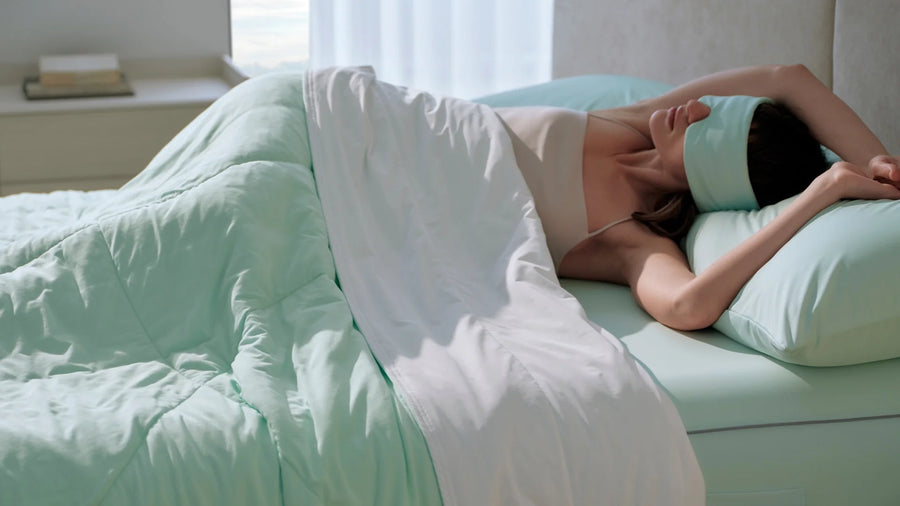

When bedding is too small, sleep gets messy fast. You pull one side, your feet slip out, or the comforter bunches right where heat builds up. For cooling bedding for hot sleepers, more coverage should not mean more weight or more trapped warmth. The better choice is bedding that covers comfortably, breathes well, and helps manage moisture so your bed feels cooler, smoother, and easier to settle into.
Quick Takeaways
- More coverage should still feel breathable. Bigger bedding should not feel heavy or stuffy.
- Hot sleepers need airflow and moisture control. Look for breathable bedding and moisture-wicking materials.
- Cooling sheets matter first. They sit closest to your skin and affect how cool the bed feels.
- A cooling comforter should cover without trapping heat. Choose soft coverage with a lighter, more breathable feel.
- Fit matters for couples and restless sleepers. Extra drape can reduce pulling, bunching, and uncovered spots.
Why More Coverage Matters for Hot Sleepers
More coverage sounds simple, but for hot sleepers, it can change how the whole bed feels. A comforter that is too narrow may leave your shoulders, feet, or sides exposed. A flat sheet that is too small may pull loose every time you move. If you share a bed, limited coverage can also lead to tugging back and forth through the night.
But bigger is not always better by itself. Extra fabric can also mean extra trapped heat if the material is thick, dense, or not breathable. That is why cooling bedding for hot sleepers needs balance. It should offer enough coverage to feel secure while still allowing air and moisture to move.
More coverage is helpful when it:
- Reduces exposed areas during sleep
- Gives couples more room under the covers
- Helps restless sleepers stay covered
- Creates a smoother drape across the bed
- Avoids the tight, tucked-in feeling of smaller bedding
The goal is not to pile on more layers. It is to choose coverage that feels roomy, breathable, and easy to live with.
What Makes Cooling Bedding Different From Regular Bedding
Regular bedding often focuses on softness, warmth, or appearance. Those things still matter, but hot sleepers need more from the fabric. Cooling bedding should help reduce the warm, damp, and stuffy feeling that can build up under the covers.
Breathable bedding means the fabric allows air to move more easily. Moisture-wicking means the material helps move sweat away from the skin so the surface can feel drier. Cool-to-the-touch means the fabric feels refreshing when it first touches your body.
Good cooling bedding usually combines these features:
- A smooth surface that feels comfortable on skin
- Airflow that helps reduce trapped warmth
- Moisture control for warm or humid nights
- A lighter feel than heavy traditional layers
- Enough size and drape for easy coverage
For hot sleepers, the best bedding is not just the softest bedding. It is the bedding that stays comfortable when the room gets warm, your body heats up, or you move around in bed.
How to Build a Cooling Bedding Setup With Better Coverage
A cooler bed works best when each layer supports the next one. Sheets, comforters, pillowcases, and extra layers all affect how much heat stays near your body. If one layer is too heavy or dense, the whole setup can feel warmer.
Start With Cooling Sheets
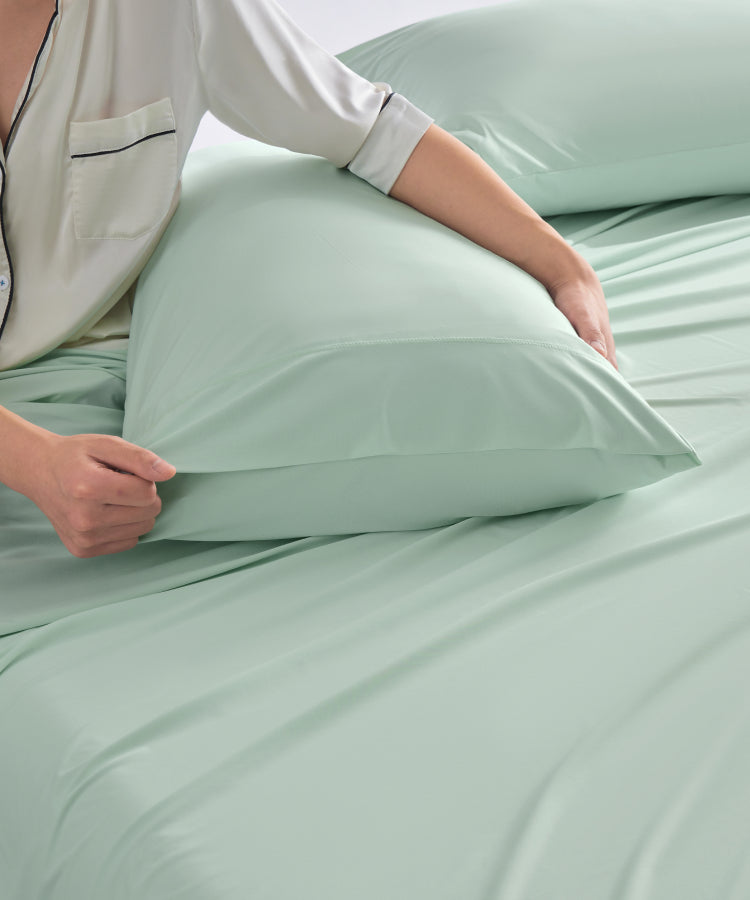
Cooling sheets are the first layer your body touches, so they make a big difference. If your sheets trap heat or moisture, the rest of the bed may still feel uncomfortable.
Look for cooling bed sheets that feel smooth, breathable, and moisture-wicking. Breathable bed sheets help air move through the fabric, while moisture wicking sheets help reduce the damp or clingy feeling that can happen when you sweat.
Thread count can be useful, but it should not be the main deciding factor. Very dense sheets may feel soft but sleep warmer. For hot sleepers, the better question is whether the sheets feel cool, dry, and breathable over time.
Add a Cooling Comforter for Hot Sleepers
A comforter gives the bed its sense of coverage. For hot sleepers, that coverage should feel soft and secure without becoming heavy or stuffy.
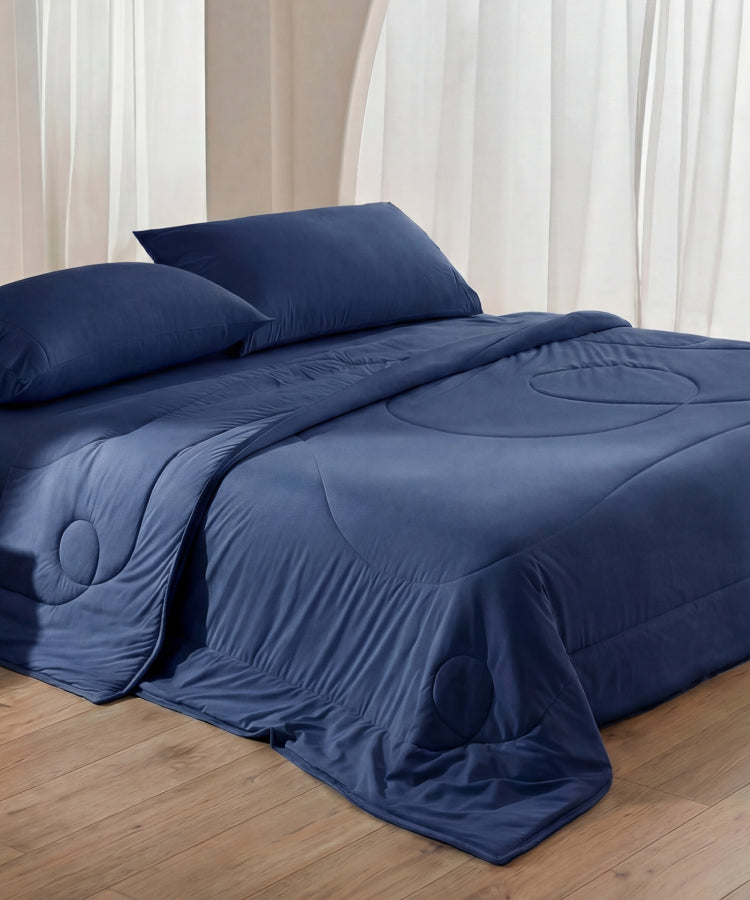
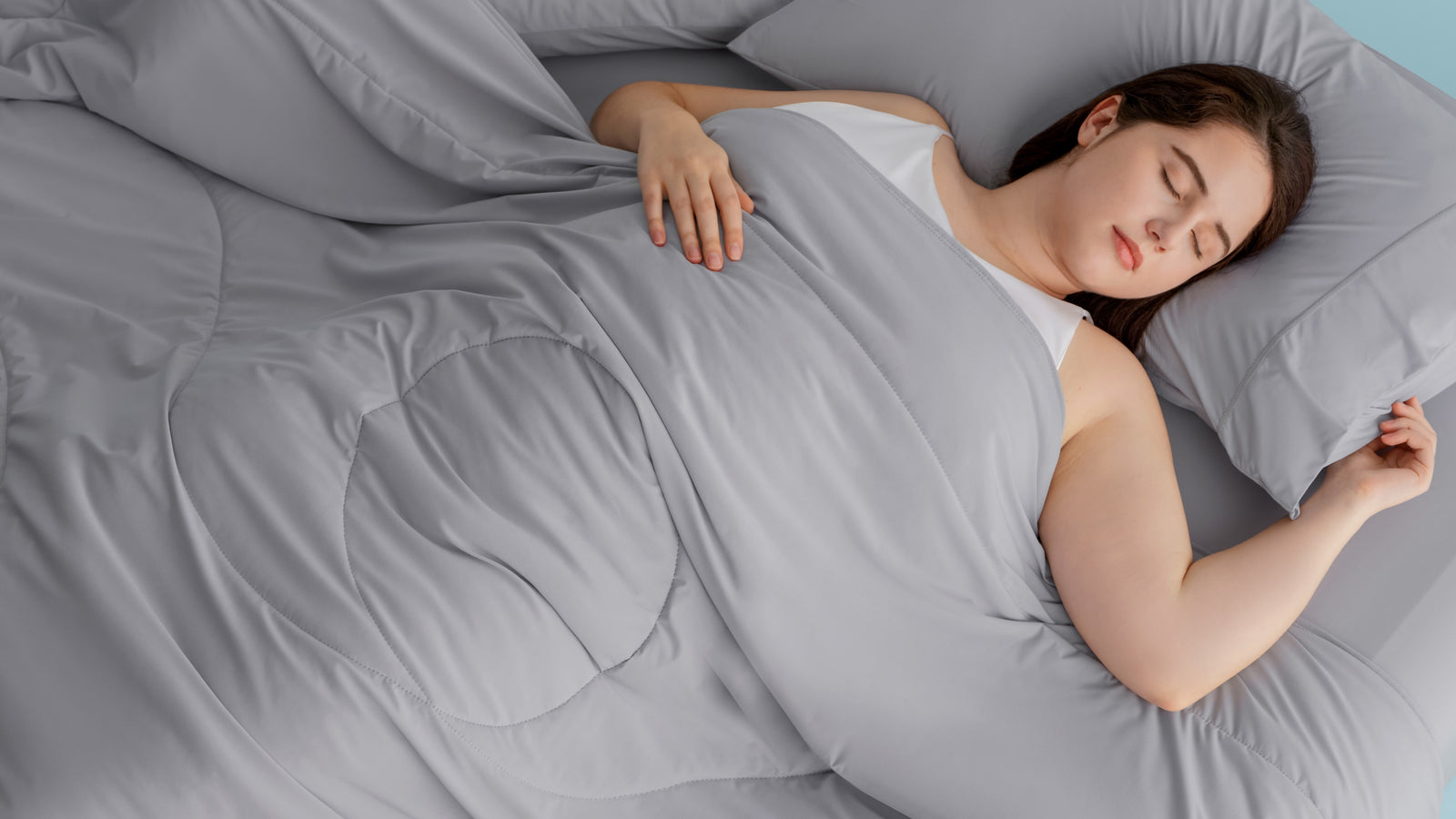
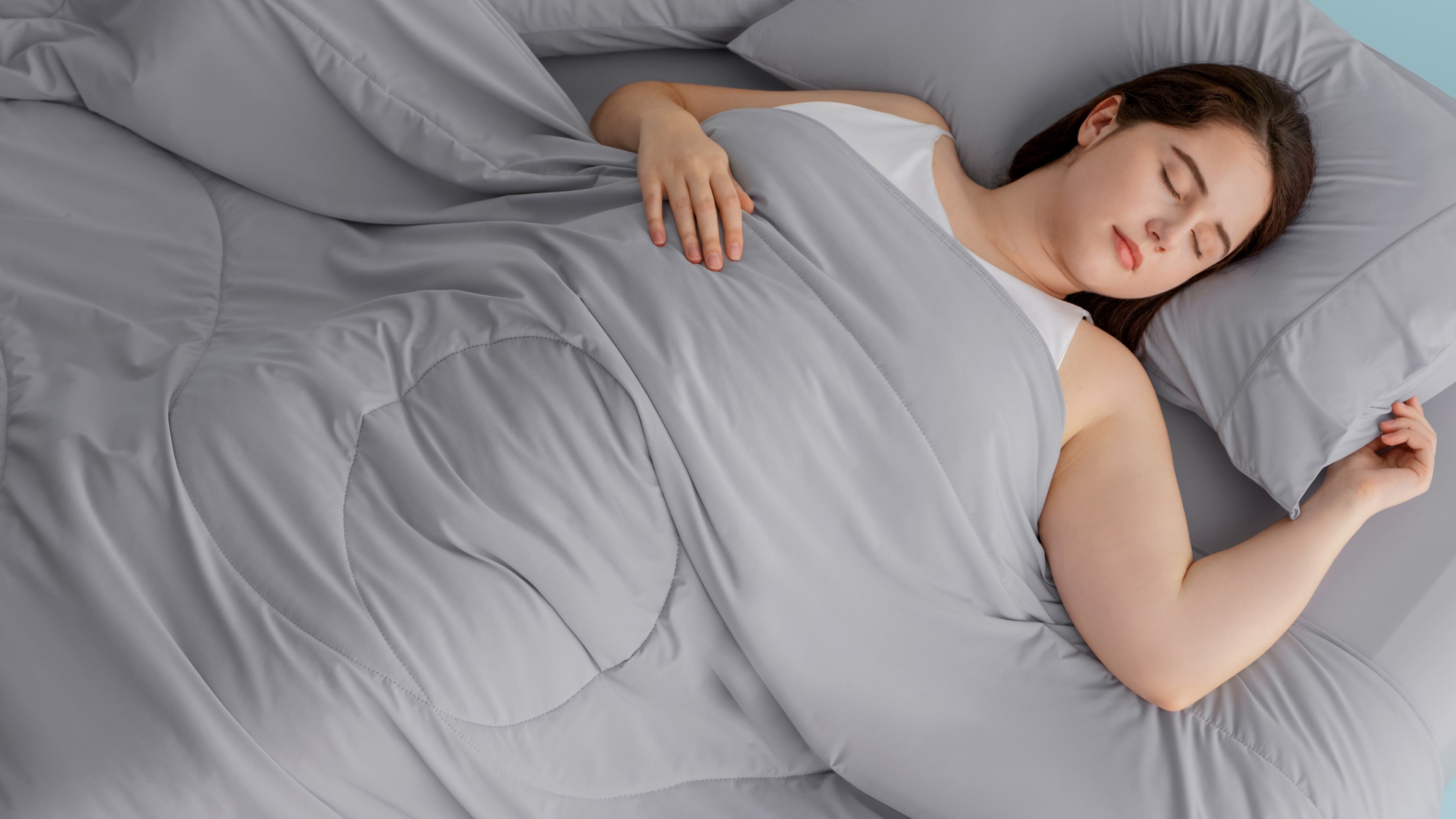
A cooling comforter for hot sleepers should focus on breathability, moisture control, and a lighter feel. It should give enough drape for comfort, especially on larger beds or shared beds, but still help reduce the trapped warmth that makes people kick off the covers.
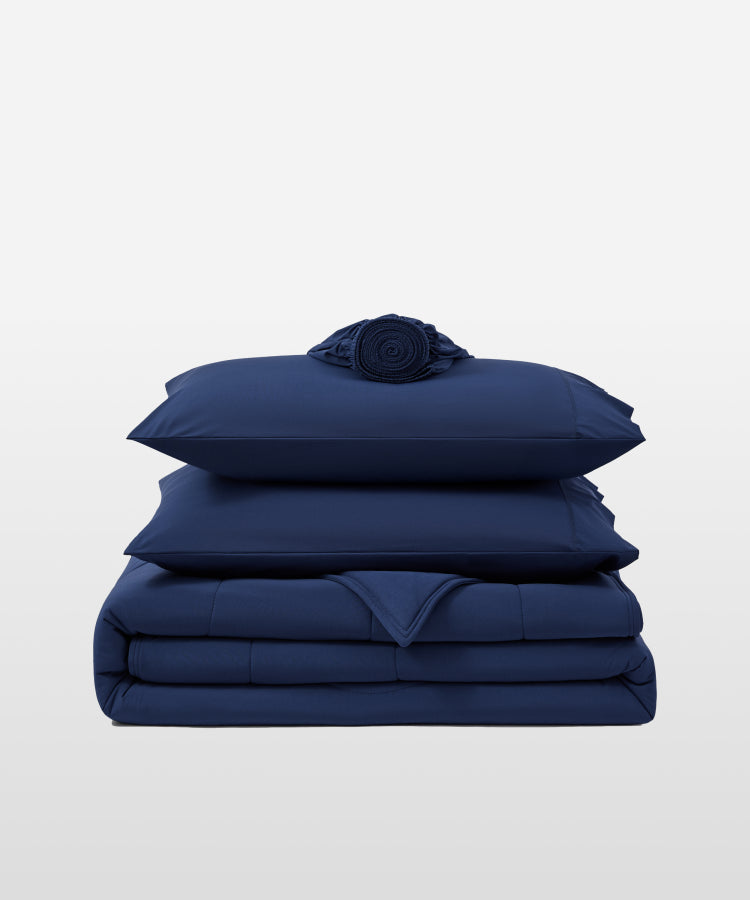
For hot sleepers who want more coverage without adding heavy layers, a cooling comforter can be the key part of the setup. Breescape’s cooling comforter is powered by BlendTek™ technology, combining a cool-to-the-touch feel, breathable comfort, and moisture-wicking performance in a smooth, airy design.
Choose Breathable Pillowcases and Light Layers
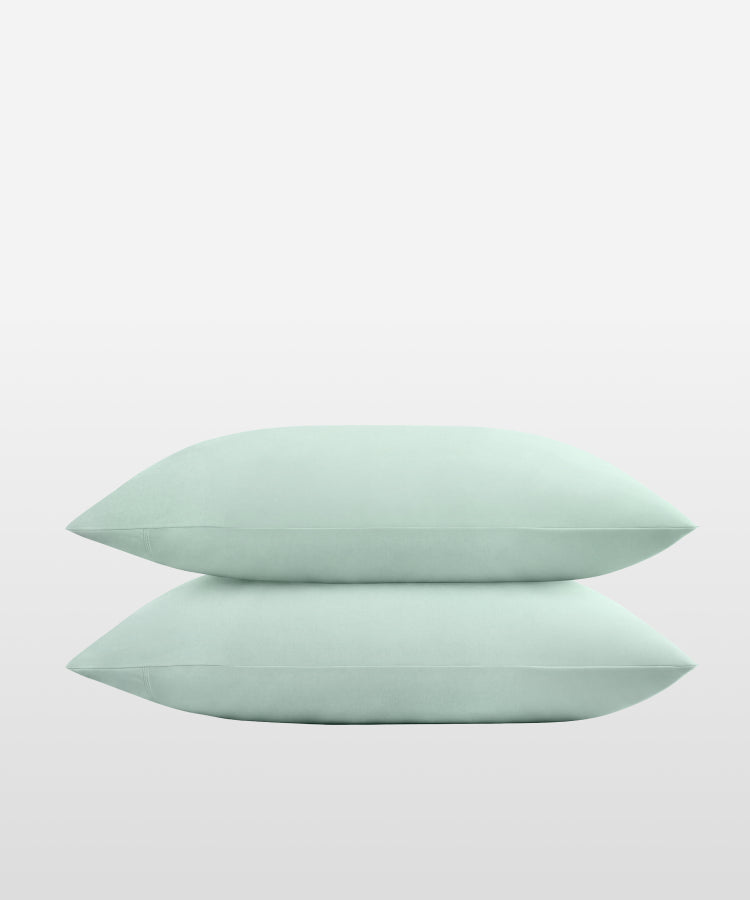
Your head and neck can warm up quickly at night. Breathable pillowcases can help that part of the bed feel fresher, especially if you often flip your pillow to find the cool side.
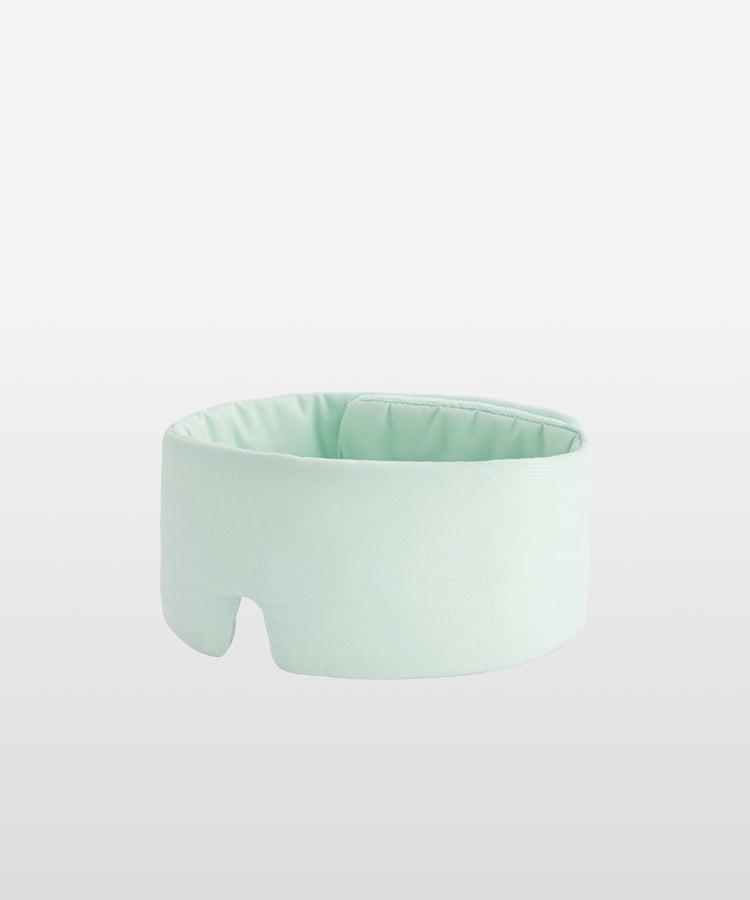
Extra layers should stay light. A thick blanket or dense duvet cover may block airflow and make cooling bedding feel less effective. If you want more texture or style, choose lighter layers that still allow the bed to breathe.
For hot sleepers, every layer should earn its place. If it adds warmth but not comfort, it may not belong in the setup.
What to Look for in Breathable Bedding
The right bedding should feel good right away and stay comfortable through the night. When comparing options, focus on practical features rather than vague cooling claims.
Look for these details:
- Breathable fabric: Helps air move instead of holding heat close to the body.
- Moisture-wicking comfort: Helps the sleep surface feel drier when you get warm.
- Smooth hand feel: Keeps bedding soft against the skin without feeling sticky.
- Generous size and drape: Gives more coverage without constant pulling.
- Easy care: Helps maintain the fabric’s feel and performance over time.
- Clear material details: Makes it easier to understand how the bedding is designed.
Bedding does not need to feel thin to feel cool. It needs to move air, manage moisture, and sit comfortably on the body. That combination is what makes breathable bedding useful for hot sleepers.
What to Avoid When Choosing Cooling Bedding With More Coverage
More coverage can help, but the wrong materials can make the bed feel warmer. Before choosing cooling bedding, watch out for features that sound comfortable but may not support hot sleepers.
Avoid these common mistakes:
- Choosing only by size. Bigger bedding still needs breathable fabric.
- Buying the thickest option. More weight can mean more trapped heat.
- Ignoring moisture control. Soft bedding can still feel damp if it does not wick moisture.
- Relying only on color or style. Looks do not tell you how the fabric performs.
- Using fabric softener on cooling fabrics. It can coat fibers and reduce moisture-wicking performance.
- Adding too many layers. Extra blankets can block airflow and make the bed feel stuffy.
The smartest choice gives you coverage and comfort at the same time. For hot sleepers, that means breathable materials, smooth texture, and less heat buildup.
Choose More Coverage Without More Heat
Hot sleepers do not need to choose between full coverage and cooler comfort. The right cooling bedding should feel breathable, smooth, moisture-wicking, and roomy enough for the way you actually sleep. Start with cooling sheets, add a cooling comforter with better coverage, and keep extra layers light. Choose bedding designed for hot sleepers, and build a bed that feels cooler, easier, and more comfortable night after night.
FAQs
Q1. What Is Cooling Bedding for Hot Sleepers?
Cooling bedding for hot sleepers is bedding designed to help the bed feel cooler, drier, and more breathable. It often includes cooling sheets, breathable pillowcases, and a cooling comforter. The goal is to reduce trapped heat and moisture while keeping the bed comfortable.
Q2. What Type of Bedding Gives More Coverage Without Feeling Heavy?
Look for bedding with generous sizing, soft drape, and breathable materials. A cooling comforter for hot sleepers can offer fuller coverage without the dense feel of heavy blankets. Sheets and pillowcases should also support airflow so the whole bed feels lighter.
Q3. Are Cooling Sheets or a Cooling Comforter Better for Hot Sleepers?
Both can help in different ways. Cooling sheets sit closest to your skin, so they affect the first layer of comfort. A cooling comforter adds coverage while helping the top layer feel less warm and stuffy.
Q4. What Are the Best Sheets That Keep You Cool?
The best sheets that keep you cool usually combine breathability, moisture-wicking performance, and a smooth feel. Look for cooling bed sheets that move air well and do not feel heavy or clingy. For hot sleepers, comfort over time matters more than softness alone.